

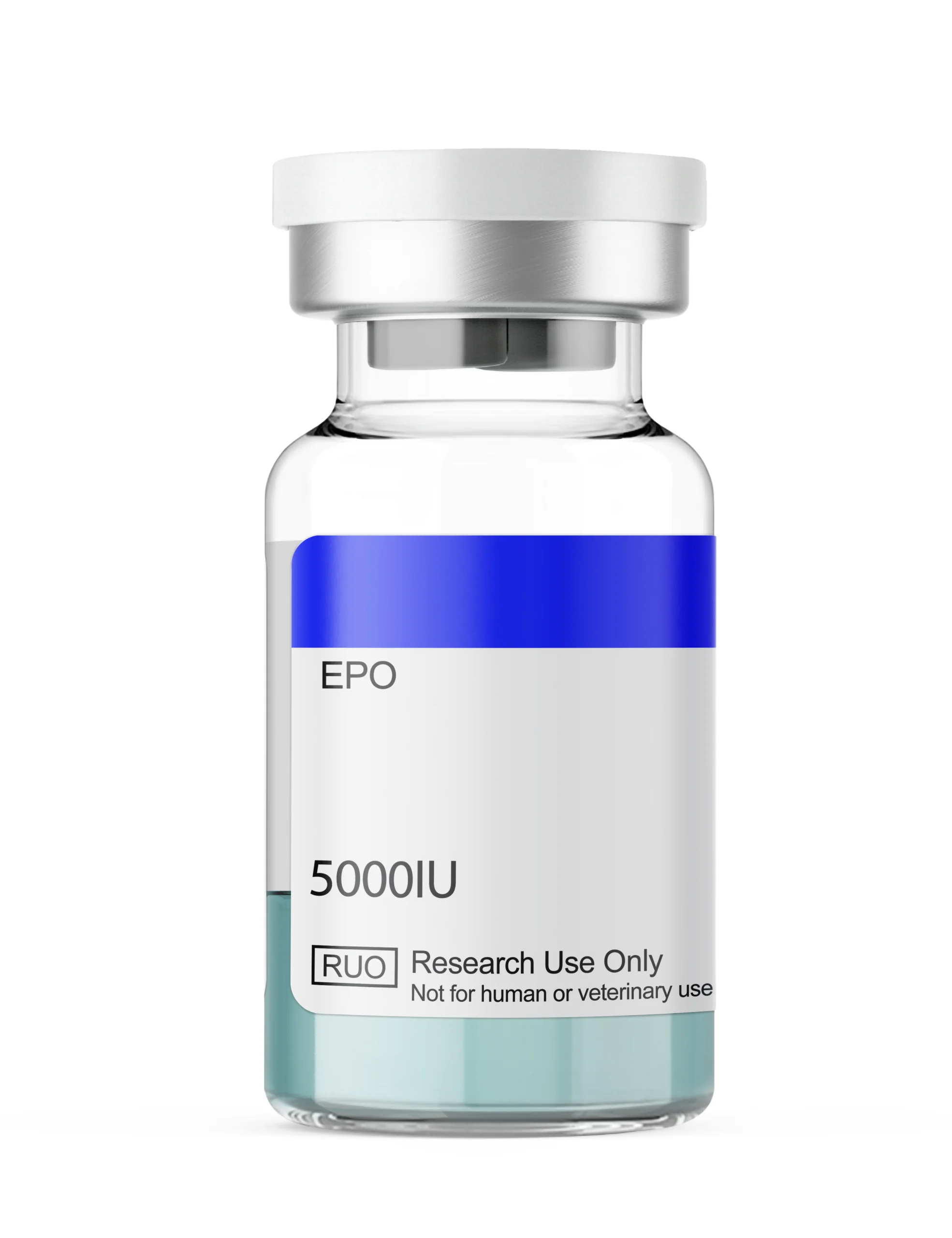
EPO 5000IU
$140.00
EPO 5000IU is a 5000 IU format of erythropoietin, a glycoprotein hormone (cytokine) best known for its role in erythropoiesis signaling. Researchers study EPO in cell and animal models focused on hematopoietic regulation, hypoxia related pathways, and receptor mediated signaling.
In Stock
EPO 5000IU is a 5000 IU format of erythropoietin (EPO), a glycoprotein hormone produced endogenously and commonly investigated as a model ligand for erythropoietin receptor signaling. Studies have examined EPO in the context of hematopoietic cell biology, oxygen sensing responses, and downstream intracellular signaling cascades.
In research settings, EPO 5000IU may be used where a defined activity unit format is preferred for assay design, method development, or comparative studies involving erythroid progenitor systems. Published work has also explored erythropoietin alongside related cytokines to better understand receptor binding, glycosylation dependent properties, and bioactivity measurement approaches.
- Specification: 5000IU
This product is intended for laboratory and research purposes only. Not for human consumption.
| Weight | 0.2 kg |
|---|---|
| Dimensions | 5 × 5 × 5 cm |
Related Products
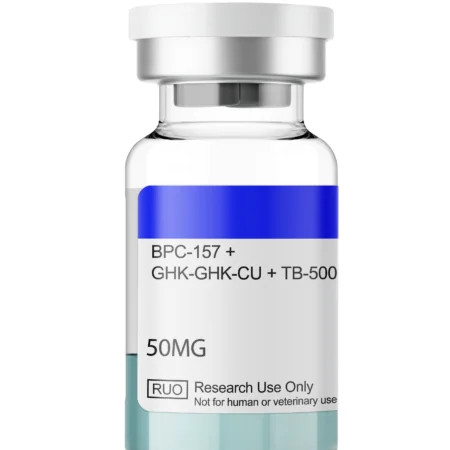
BPC-157 + GHK-GHK-Cu + TB-500 50MG is a 50-milligram combination format bringing together three widely studied research peptides used in preclinical recovery and tissue-model work. Researchers investigate BPC-157, a 15 amino acid peptide fragment, alongside the copper binding GHK tripeptide motif and TB-500, a thymosin beta 4 analogue fragment, in models involving connective tissue, angiogenesis signaling, and cellular migration pathways.
In Stock
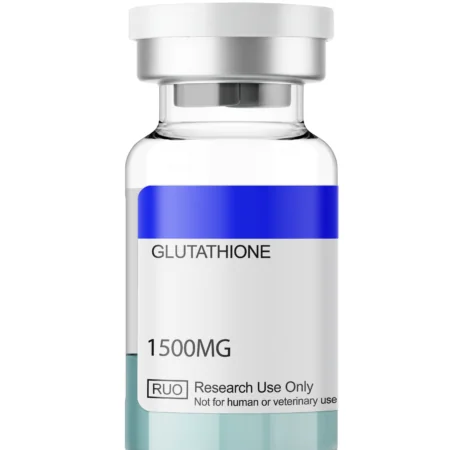
Glutathione 1500MG is a 1500-milligram format of glutathione, a naturally occurring tripeptide made of glutamate, cysteine, and glycine. Researchers study glutathione in the context of cellular redox balance and antioxidant systems. It is also investigated in models involving detoxification pathways and oxidative stress biology.
In Stock
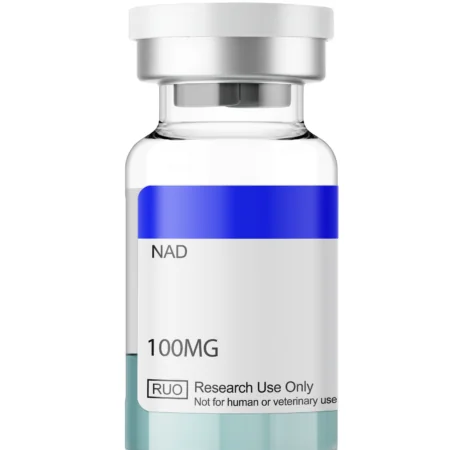
NAD 100MG is a 100-milligram format of nicotinamide adenine dinucleotide (NAD+), a ubiquitous pyridine nucleotide that participates in cellular redox reactions. Researchers study NAD+ in the context of mitochondrial metabolism, oxidative stress models, and enzyme systems such as sirtuins and PARPs.
In Stock
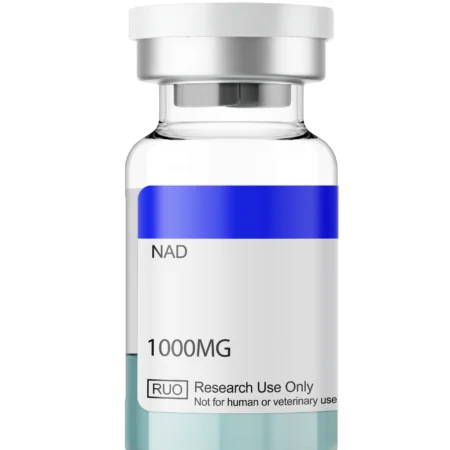
NAD 1000MG is a 1000-milligram format of nicotinamide adenine dinucleotide, a ubiquitous pyridine nucleotide cofactor central to cellular redox chemistry. Researchers study NAD in relation to mitochondrial metabolism, energy transfer reactions, and NAD dependent signaling pathways.
In Stock
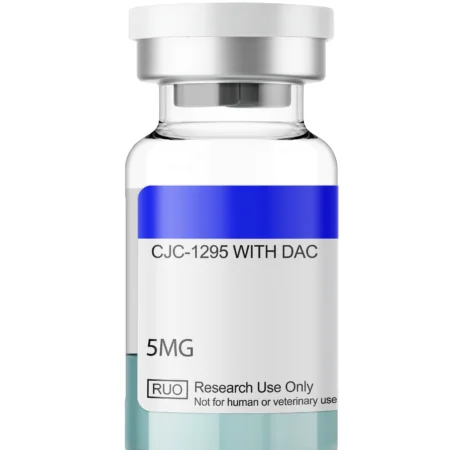
CJC 1295 With DAC 5MG is a 5-milligram format of CJC-1295 with drug affinity complex (DAC), a synthetic growth hormone releasing hormone analogue peptide. Researchers study this modified GHRH fragment for its potential to extend peptide half life through albumin binding. Studies have examined CJC 1295 With DAC 5MG in preclinical and investigational settings focused on pulsatile GH signaling and IGF 1 related endpoints.
In Stock
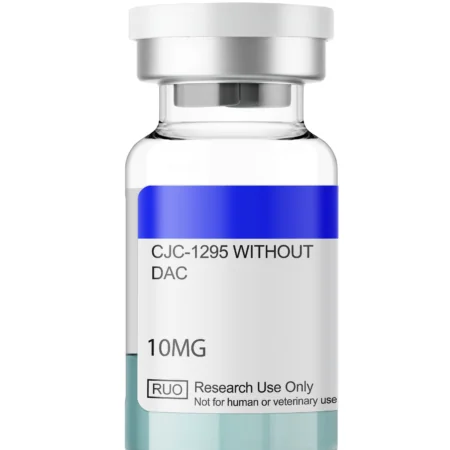
CJC 1295 Without DAC 10MG | GHRH 1 29 Peptide Analogue is a 10 mg format of the short GHRH 1 to 29 analogue commonly referred to as Mod GRF 1 to 29. Researchers study this peptide in laboratory work focused on growth hormone signaling models and pulsatile release dynamics. It is frequently used as a reference compound in peptide endocrinology research.
In Stock
Methenolone Enanthate 200mg/ml 10ml is a 17 beta esterified derivative of methenolone, an anabolic androgenic steroid related to dihydrotestosterone. Researchers have examined methenolone enanthate in studies involving androgen receptor activity, anabolic androgenic structure activity relationships, and ester dependent pharmacokinetics.
In Stock
SS-31 50MG is a 50-milligram format of SS-31, a synthetic tetrapeptide also known as elamipretide. Researchers study SS-31 for its potential to localize to mitochondria and for its use in preclinical models examining mitochondrial membrane and bioenergetic pathways.
In Stock
GHK-Cu 50MG is a 50-milligram format of copper peptide GHK-Cu, a coordination complex formed by the tripeptide glycyl-L-histidyl-L-lysine bound to Cu2+. Researchers study GHK-Cu in models involving skin biology, extracellular matrix signaling, and wound related pathways.
In Stock
Metribolone 5mg/ml 10ml is a concentration and volume format of metribolone, a synthetic anabolic androgenic steroid also known as R1881. Researchers use metribolone as a high affinity androgen receptor agonist reference compound in receptor binding and transcriptional activity studies. It is commonly handled as a laboratory standard in endocrine and molecular pharmacology research.
In Stock
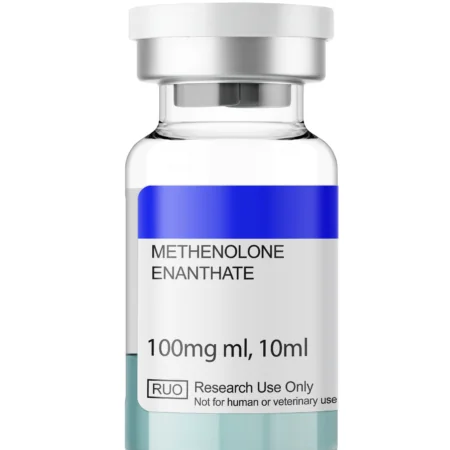
Methenolone Enanthate – 100mg/ml, 10ml is a specified concentration and volume format of methenolone enanthate, an enanthate ester of methenolone, a synthetic anabolic androgenic steroid derivative of dihydrotestosterone. Researchers study methenolone esters in analytical and receptor binding work involving androgen signaling. It is also examined in methods development for steroid profiling and reference comparisons.
In Stock
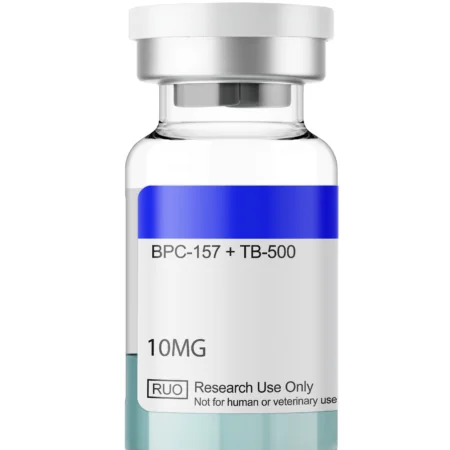
BPC-157 + TB-500 – 10MG combines two widely discussed research peptides in a single 10 mg format. BPC-157 is a synthetic 15 amino acid peptide derived from a gastric protective protein fragment, while TB-500 refers to a thymosin beta 4 fragment commonly studied in peptide research. Researchers investigate this pairing in preclinical work involving connective tissue pathways, angiogenesis related signaling, and models of tissue repair and recovery.
In Stock
