

AICAR 50MG
$50.00
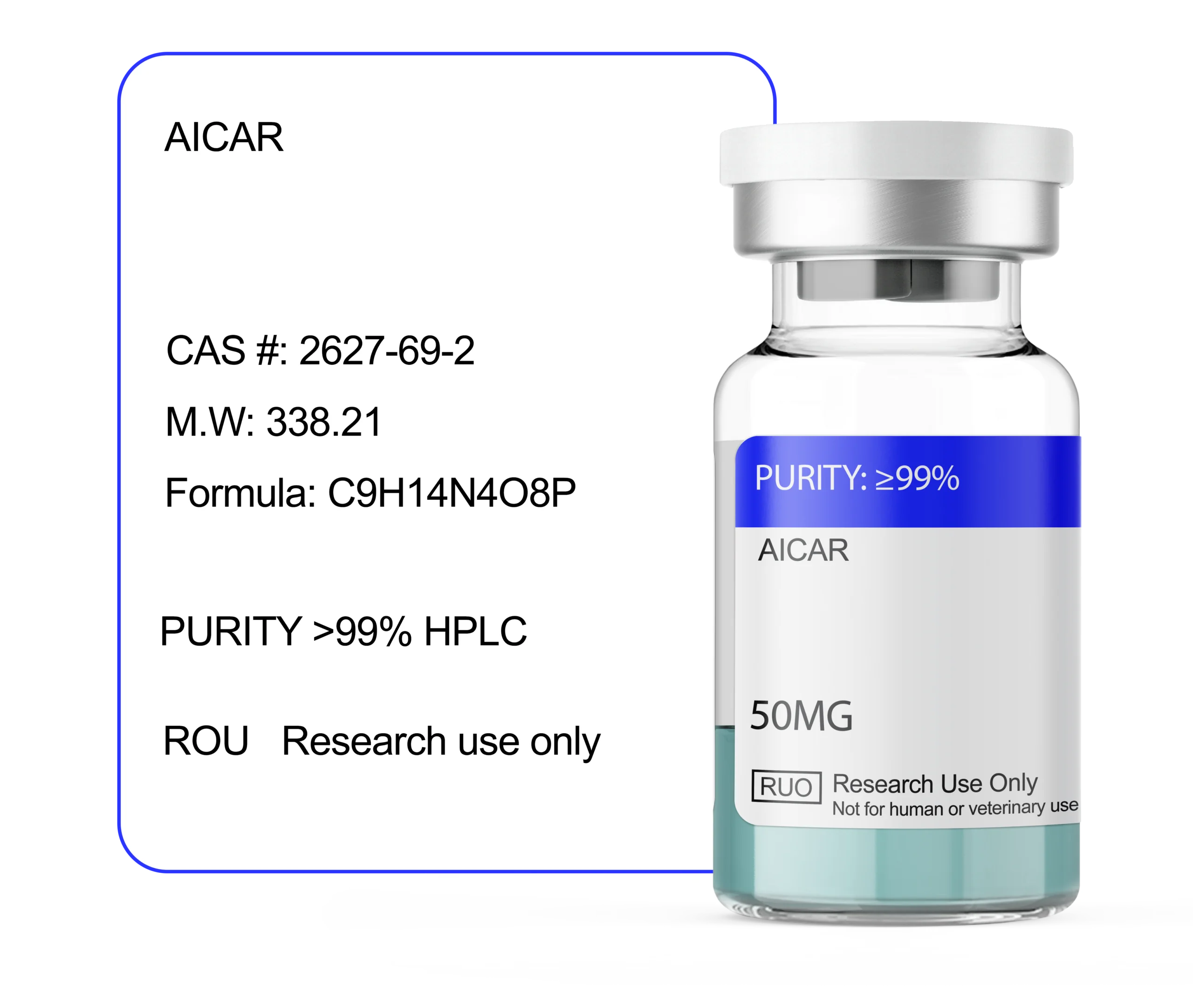
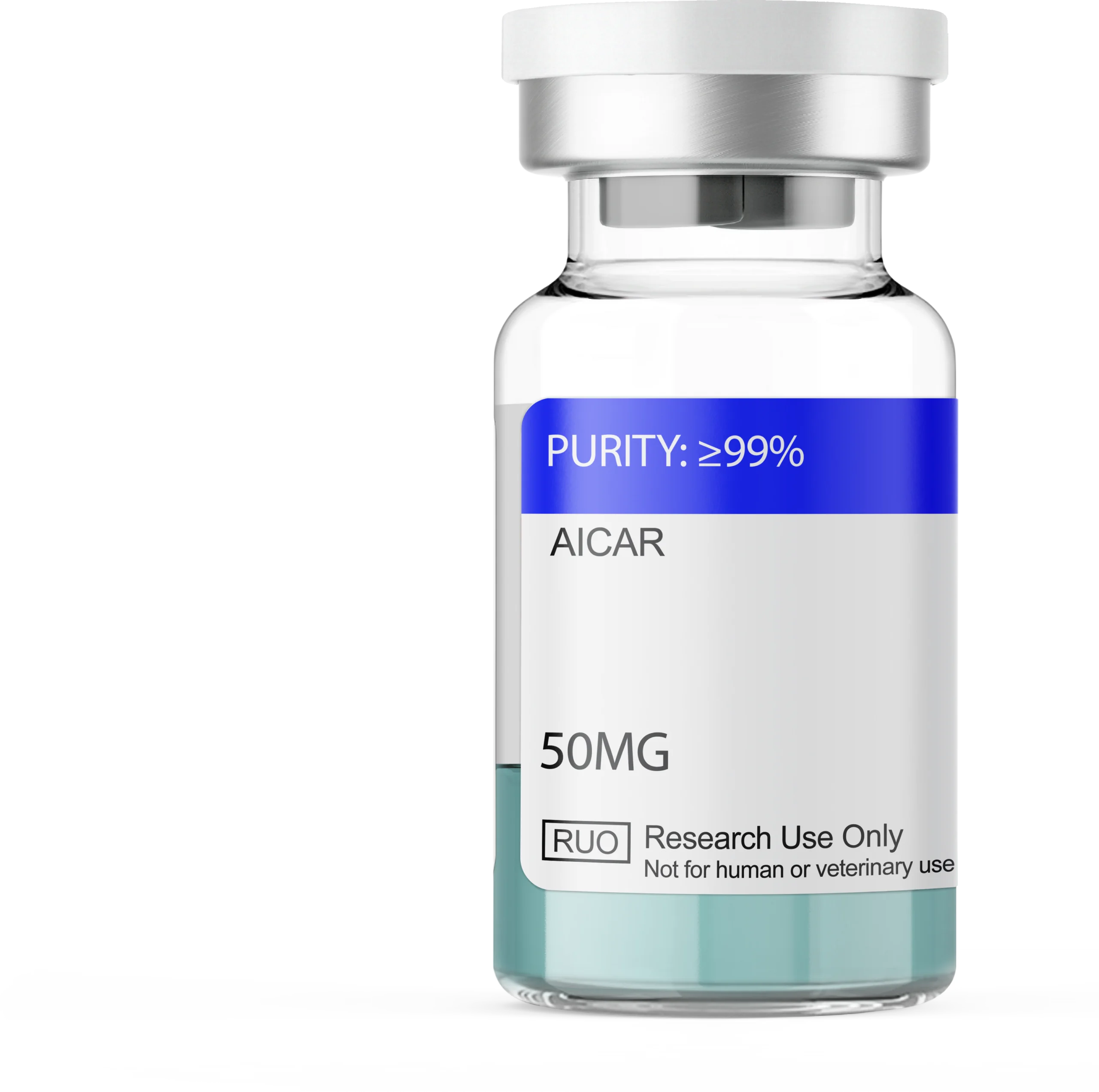
AICAR 50MG is a 50-milligram format of AICAR, also known as 5-aminoimidazole-4-carboxamide ribonucleoside (acadesine), a nucleoside analogue related to purine biosynthesis. Researchers study AICAR in cellular energy signaling research, including work that examines AMPK pathway activation in preclinical models.
In Stock
AICAR 50MG is a 50-milligram format of AICAR (5-aminoimidazole-4-carboxamide ribonucleoside, acadesine), a nucleoside analogue commonly used in laboratory studies of metabolic signaling. Inside cells, AICAR can be converted to the monophosphorylated nucleotide ZMP, and researchers use it to probe energy sensing pathways, including AMPK related signaling.
Studies have examined AICAR 50MG in preclinical settings involving glucose and lipid metabolism, mitochondrial biology, and exercise mimetic research models, with interpretation dependent on cell type, exposure conditions, and downstream readouts. Its well characterized biochemical conversion to ZMP also makes it a reference tool compound in investigations of purine pathway intermediates.
- Specification: 50MG
- Molecular Formula: C9H14N4O5
- Molecular Weight: 258.23 g/mol
This product is intended for laboratory and research purposes only. Not for human consumption.
| Weight | 0.2 kg |
|---|---|
| Dimensions | 5 × 5 × 5 cm |
Related Products
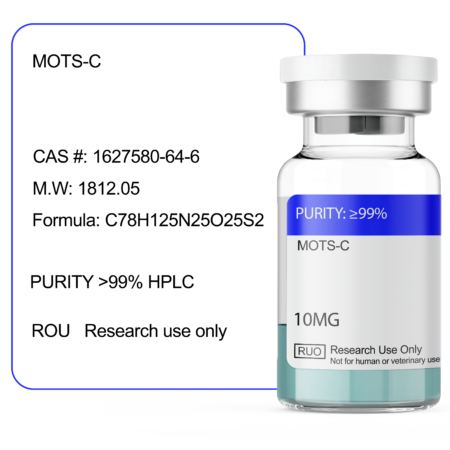
MOTS-C 10MG is a 10-milligram format of MOTS-C, a 16 amino acid mitochondria-derived peptide encoded within mitochondrial 12S rRNA. Researchers study MOTS-C in relation to metabolic signaling, cellular stress responses, and mitochondrial nuclear communication in preclinical systems. Its small size and endogenous origin make it a common target in mechanistic peptide research.
In Stock
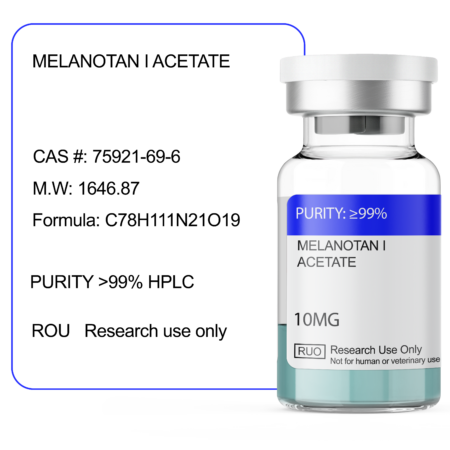
MT1 10Mg 10MG refers to a 10-milligram format of MT1, a melanocortin research peptide commonly associated with melanotropin analog research. Researchers study MT1 in the context of melanocortin receptor signaling, pigmentation pathways, and related neuroendocrine models.
In Stock
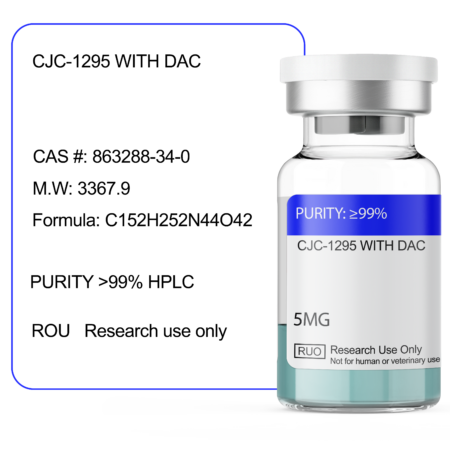
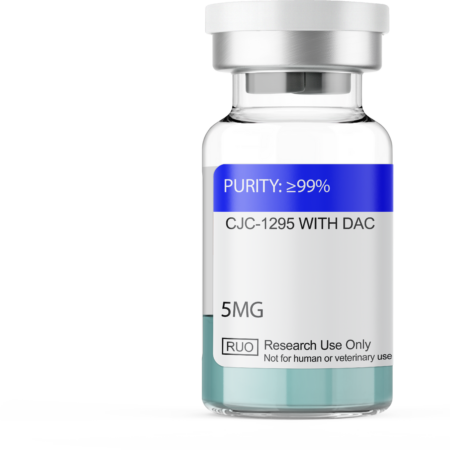
CJC 1295 With DAC 5MG is a 5-milligram format of CJC-1295 with drug affinity complex (DAC), a synthetic growth hormone releasing hormone analogue peptide. Researchers study this modified GHRH fragment for its potential to extend peptide half life through albumin binding. Studies have examined CJC 1295 With DAC 5MG in preclinical and investigational settings focused on pulsatile GH signaling and IGF 1 related endpoints.
In Stock
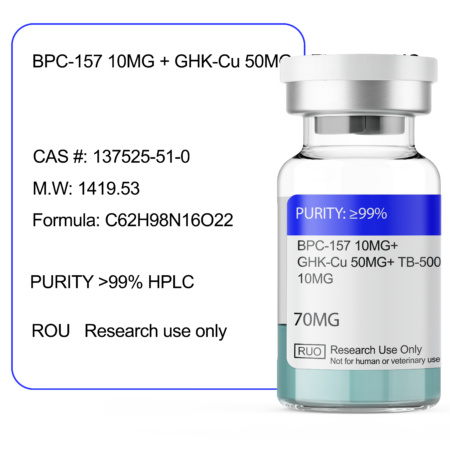
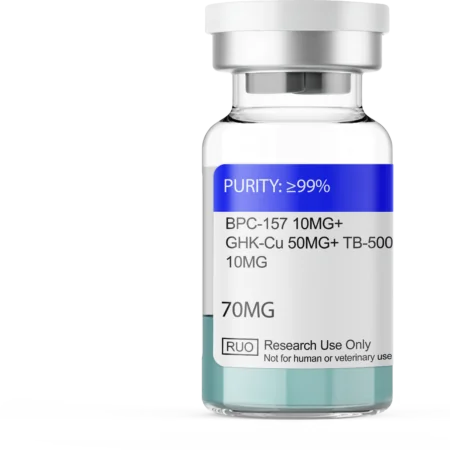
BPC-157 + GHK-GHK-Cu + TB-500 70MG is a 70-milligram combination format of three commonly studied research peptides: BPC-157, GHK-Cu, and TB-500. Researchers investigate these peptides in preclinical work involving connective tissue biology, angiogenesis signaling, and recovery related pathways. The blend is used in experimental designs where multiple peptide classes are evaluated together under controlled laboratory conditions.
In Stock
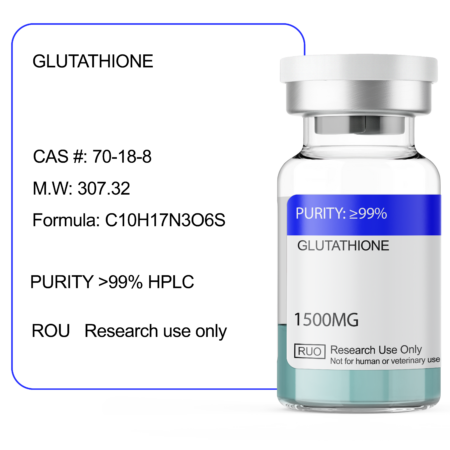
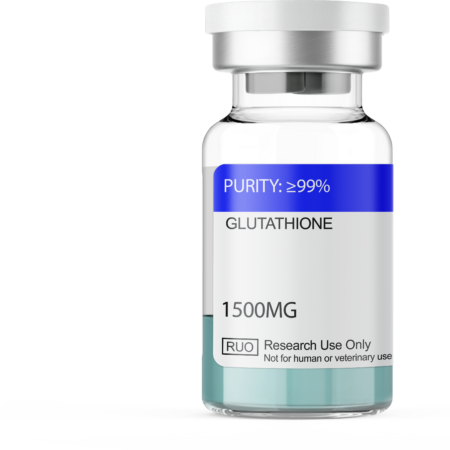
Glutathione 1500MG is a 1500-milligram format of glutathione, a naturally occurring tripeptide made of glutamate, cysteine, and glycine. Researchers study glutathione in the context of cellular redox balance and antioxidant systems. It is also investigated in models involving detoxification pathways and oxidative stress biology.
In Stock
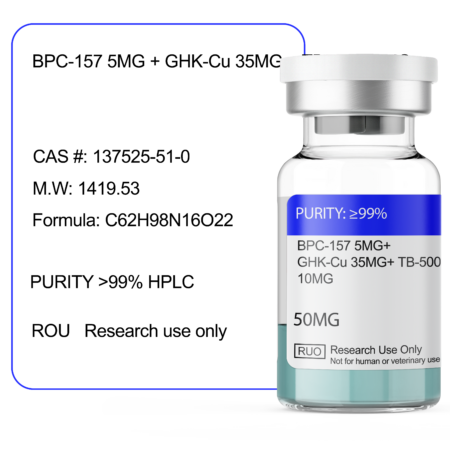
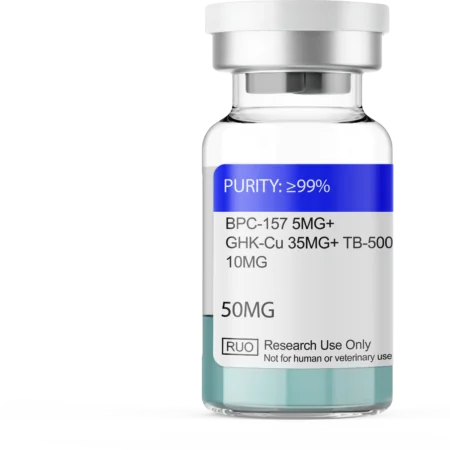
BPC-157 + GHK-GHK-Cu + TB-500 50MG is a 50-milligram combination format bringing together three widely studied research peptides used in preclinical recovery and tissue-model work. Researchers investigate BPC-157, a 15 amino acid peptide fragment, alongside the copper binding GHK tripeptide motif and TB-500, a thymosin beta 4 analogue fragment, in models involving connective tissue, angiogenesis signaling, and cellular migration pathways.
In Stock
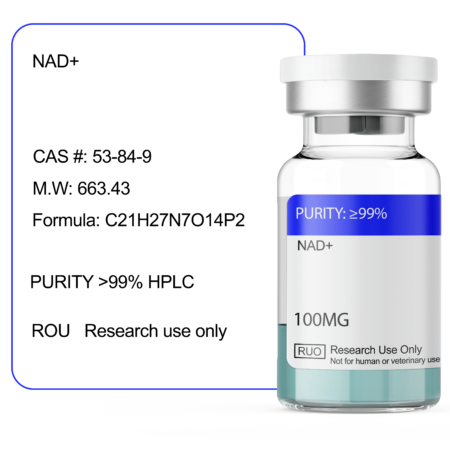
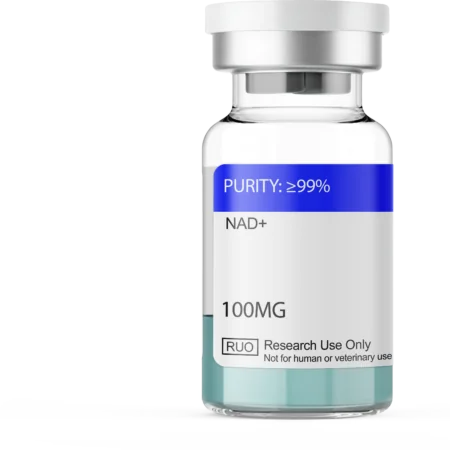
NAD 100MG is a 100-milligram format of nicotinamide adenine dinucleotide (NAD+), a ubiquitous pyridine nucleotide that participates in cellular redox reactions. Researchers study NAD+ in the context of mitochondrial metabolism, oxidative stress models, and enzyme systems such as sirtuins and PARPs.
In Stock
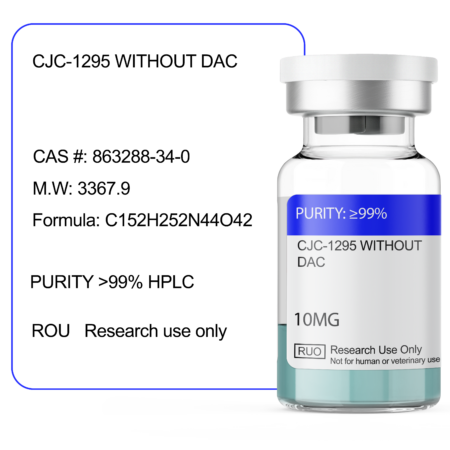
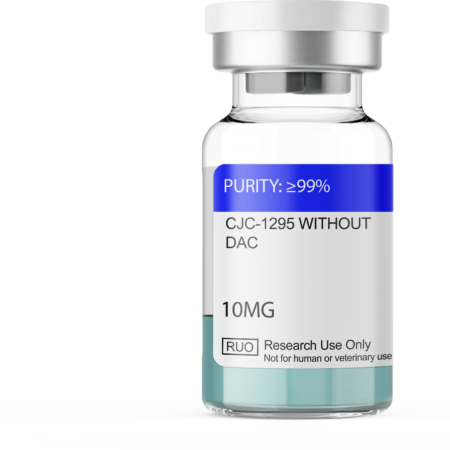
CJC 1295 Without DAC 10MG | GHRH 1 29 Peptide Analogue is a 10 mg format of the short GHRH 1 to 29 analogue commonly referred to as Mod GRF 1 to 29. Researchers study this peptide in laboratory work focused on growth hormone signaling models and pulsatile release dynamics. It is frequently used as a reference compound in peptide endocrinology research.
In Stock
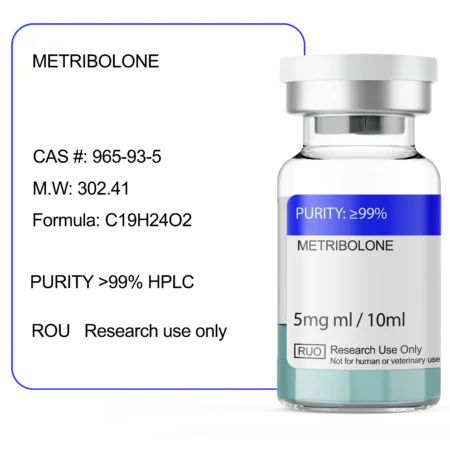
Metribolone 5mg/ml 10ml is a concentration and volume format of metribolone, a synthetic anabolic androgenic steroid also known as R1881. Researchers use metribolone as a high affinity androgen receptor agonist reference compound in receptor binding and transcriptional activity studies. It is commonly handled as a laboratory standard in endocrine and molecular pharmacology research.
In Stock
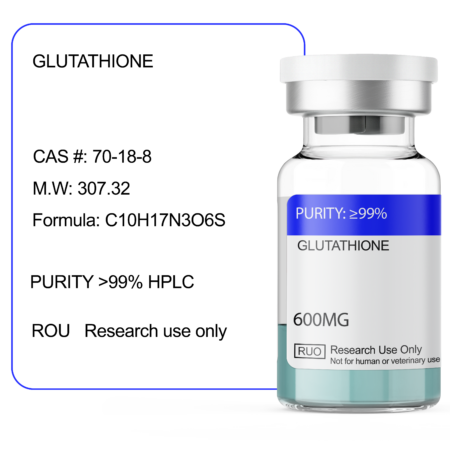
Glutathione – 600MG is a 600-milligram format of glutathione, a naturally occurring tripeptide made from glutamate, cysteine, and glycine. Researchers study glutathione in redox biology and oxidative stress models, including work focused on cellular antioxidant systems. It is also used in laboratory assays that examine thiol status and detoxification related pathways.
In Stock
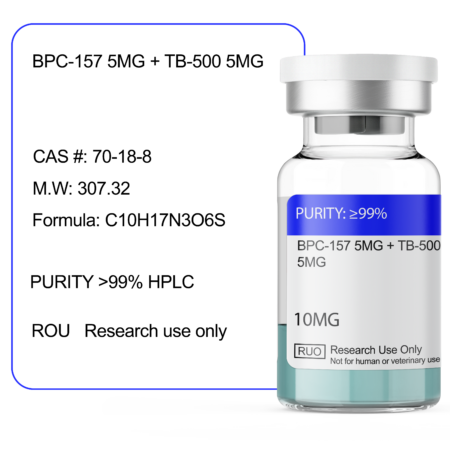
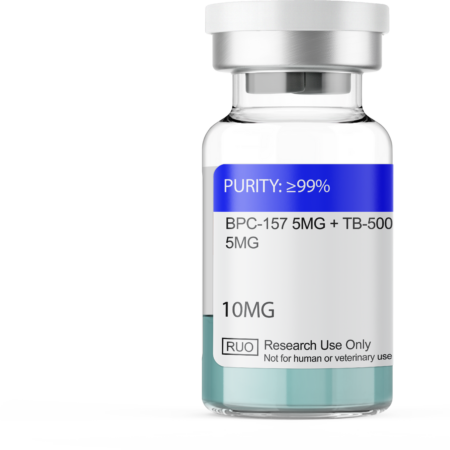
BPC-157 + TB-500 – 10MG combines two widely discussed research peptides in a single 10 mg format. BPC-157 is a synthetic 15 amino acid peptide derived from a gastric protective protein fragment, while TB-500 refers to a thymosin beta 4 fragment commonly studied in peptide research. Researchers investigate this pairing in preclinical work involving connective tissue pathways, angiogenesis related signaling, and models of tissue repair and recovery.
In Stock
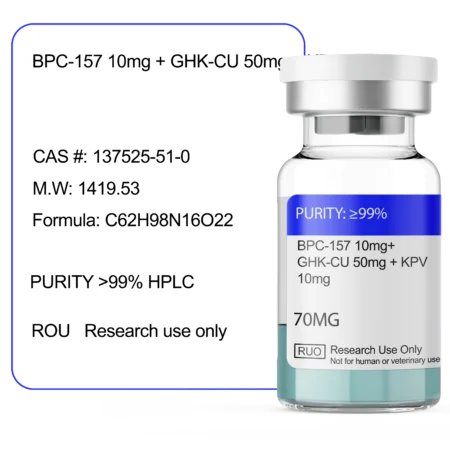
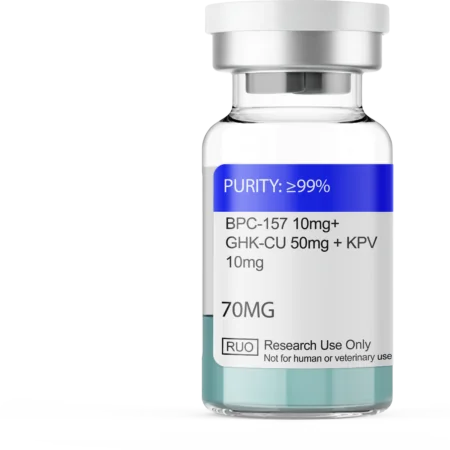
BPC-157 + GHK-GHK-Cu + KPV 70MG is a 70-milligram combination format featuring BPC-157, a synthetic 15 amino acid peptide, alongside GHK-GHK-Cu, a copper bound GHK repeat peptide complex, and KPV, a tripeptide fragment of alpha MSH. This blend is of interest in peptide research that examines wound environment signaling, extracellular matrix related pathways, and peptide copper interactions. Studies have investigated each component in preclinical models involving connective tissue, skin biology, and inflammatory signaling.
In Stock
