

Follistatin 1MG
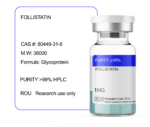
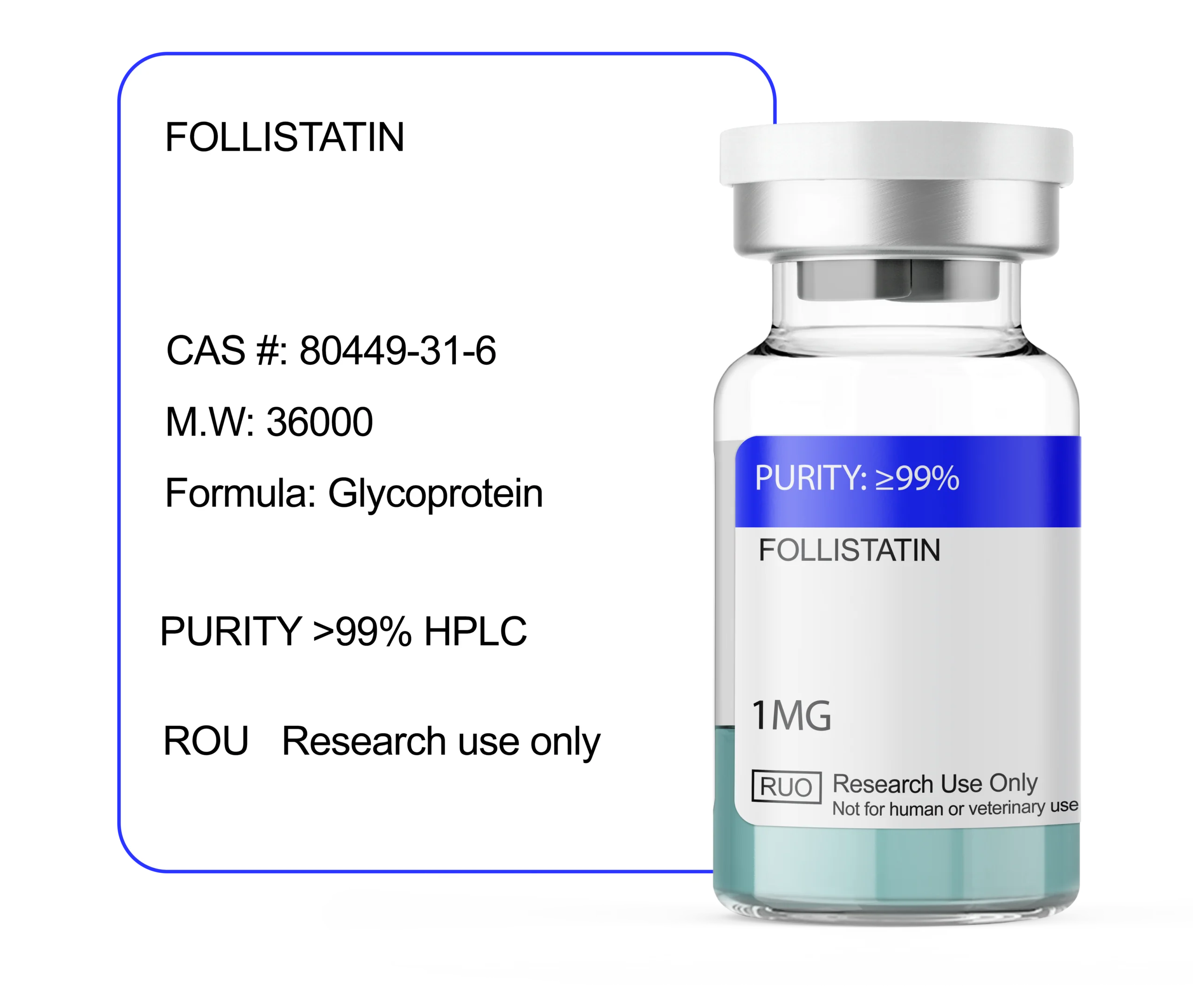
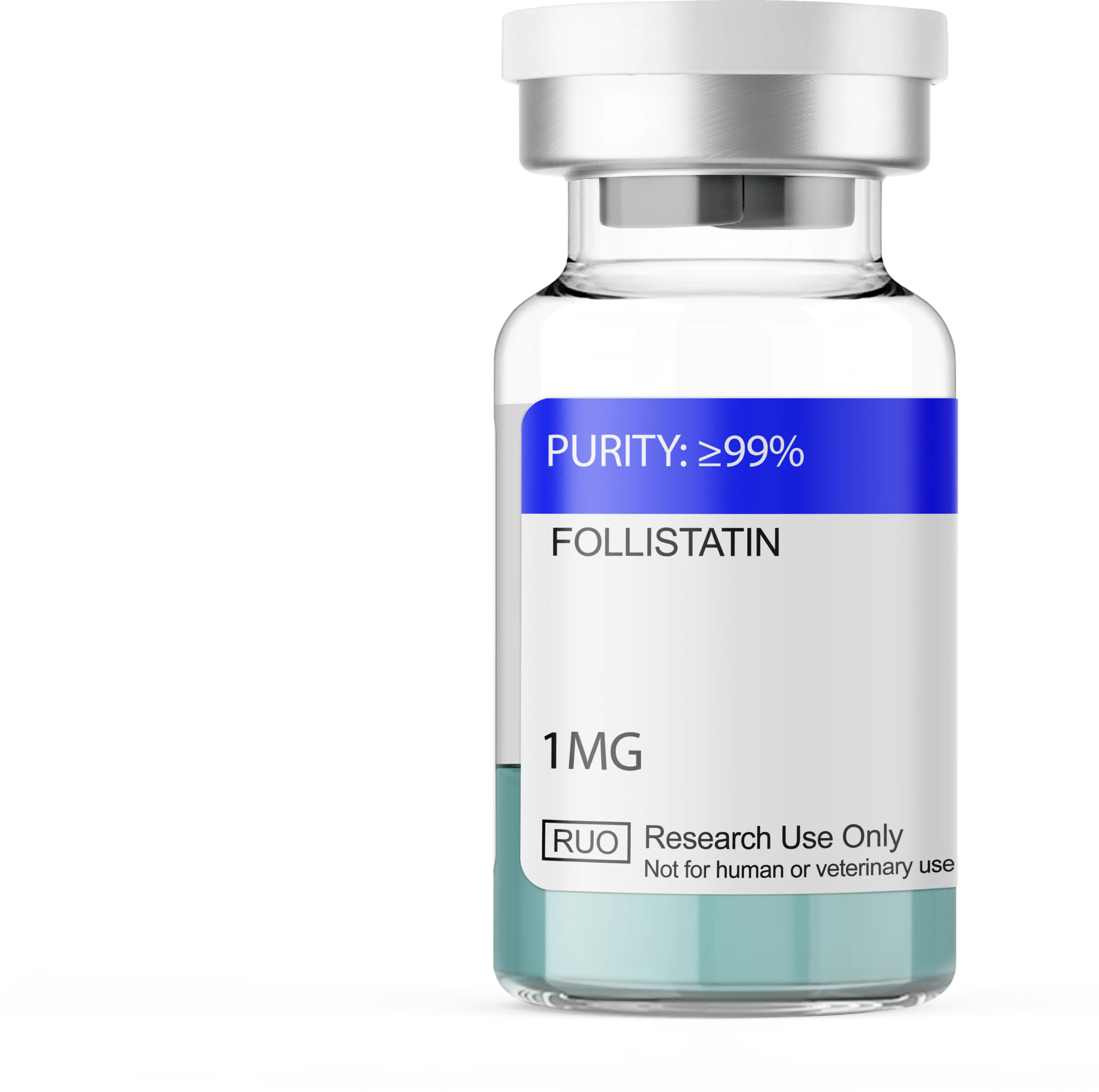
Follistatin 1MG is a 1-milligram format of follistatin, an activin binding glycoprotein best known for binding and neutralizing members of the TGF beta superfamily. Researchers study follistatin in the context of activin and myostatin signaling, endocrine regulation, and tissue biology in preclinical models. Experimental work has also examined how follistatin modulates ligand availability across cell culture and animal research systems.
In Stock
Follistatin 1MG is a 1-milligram format of follistatin, an activin binding glycoprotein that interacts with activins and related TGF beta family ligands through high affinity binding. Naturally expressed in many tissues, follistatin is often used in research to probe how ligand sequestration may influence downstream signaling readouts in controlled experimental settings.
Studies have examined Follistatin 1MG in models involving myostatin and activin A pathways, reproductive and endocrine signaling, and broader questions of development and tissue homeostasis. Because multiple isoforms and glycosylation states exist in biology, researchers commonly specify the material by mass and intended assay context when comparing results across experiments.
- Specification: 1MG
This product is intended for laboratory and research purposes only. Not for human consumption.
| Weight | 0.2 kg |
|---|---|
| Dimensions | 5 × 5 × 5 cm |
Related Products
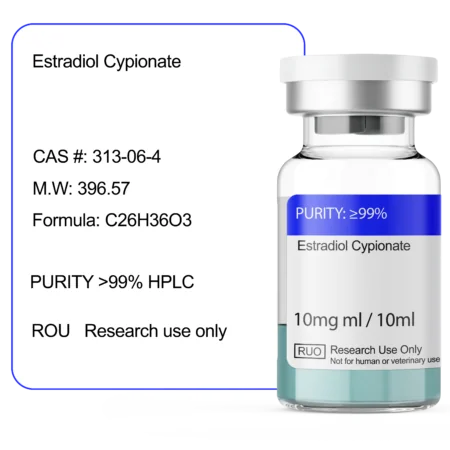
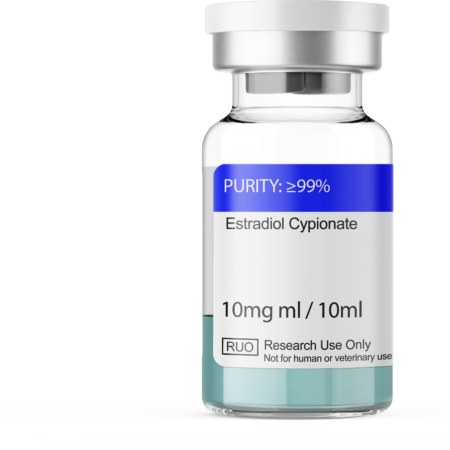
Estradiol Cypionate 10mg/ml, 10ml is a specified concentration and volume format of estradiol cypionate, an esterified form of 17 beta estradiol. Researchers use estradiol esters in laboratory work where sustained release profiles are examined in analytical, receptor binding, and pharmacokinetic models.
In Stock
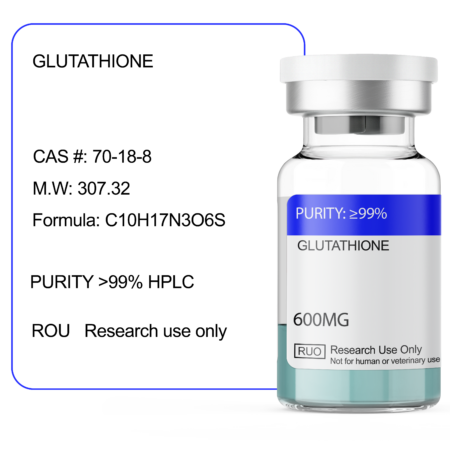
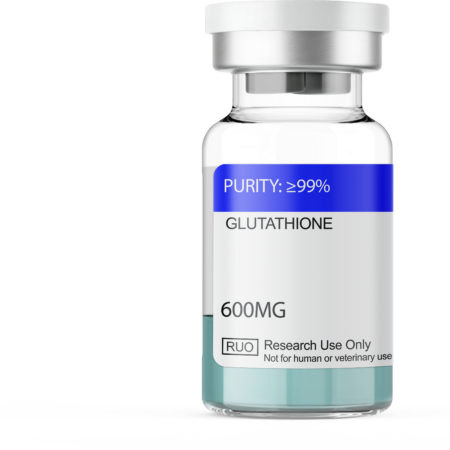
Glutathione – 600MG is a 600-milligram format of glutathione, a naturally occurring tripeptide made from glutamate, cysteine, and glycine. Researchers study glutathione in redox biology and oxidative stress models, including work focused on cellular antioxidant systems. It is also used in laboratory assays that examine thiol status and detoxification related pathways.
In Stock
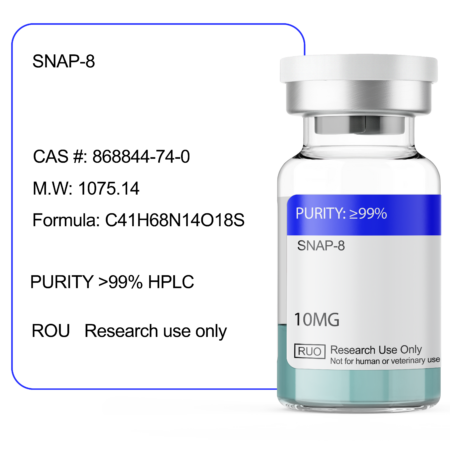
SNAP-8 – 10MG is a 10-milligram format of SNAP-8, a synthetic octapeptide commonly referred to as acetyl octapeptide 3. It is studied in cosmetic science as a topical model peptide related to SNAP-25 SNARE pathway research. Researchers have examined SNAP-8 in the context of peptide signalling and skin surface appearance studies.
In Stock
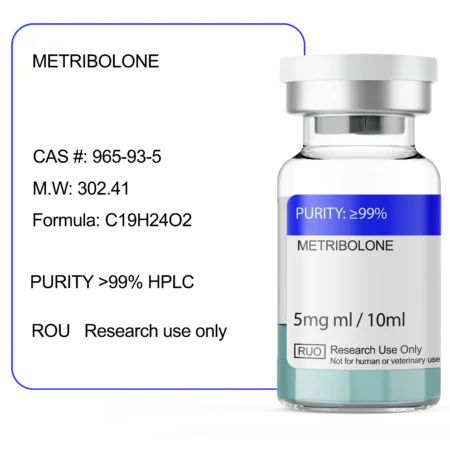
Metribolone 5mg/ml 10ml is a concentration and volume format of metribolone, a synthetic anabolic androgenic steroid also known as R1881. Researchers use metribolone as a high affinity androgen receptor agonist reference compound in receptor binding and transcriptional activity studies. It is commonly handled as a laboratory standard in endocrine and molecular pharmacology research.
In Stock
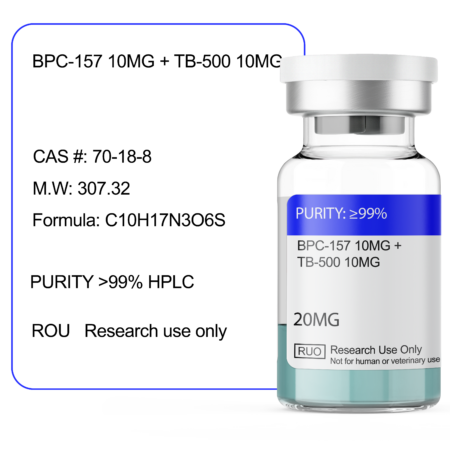
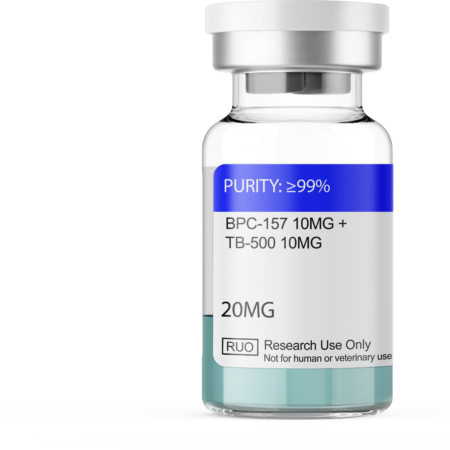
BPC-157 + TB-500 – 20MG combines two synthetic research peptides commonly discussed in preclinical recovery and tissue repair literature. BPC-157 is a 15 amino acid peptide originally derived from a gastric protective protein fragment, while TB-500 is a thymosin beta 4 related peptide fragment studied in models of cell migration and cytoskeletal dynamics. Researchers study this pairing in exploratory work involving connective tissue, angiogenesis signaling, and soft tissue research pathways.
In Stock
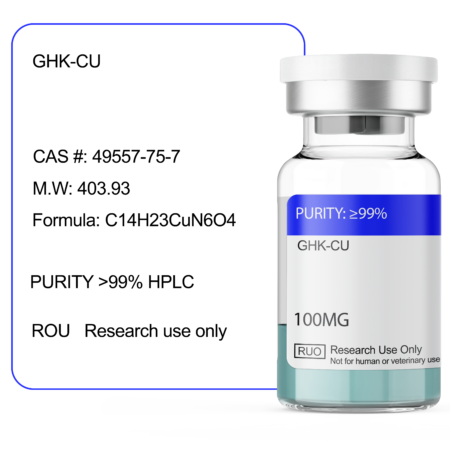
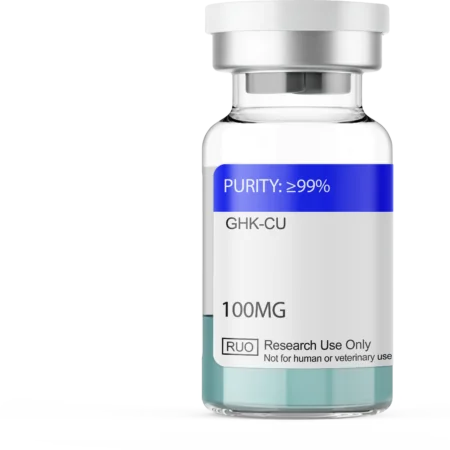
GHK-Cu 100MG is a 100-milligram format of GHK-Cu, a copper complex of the tripeptide glycyl L histidyl L lysine. Researchers study this peptide copper complex in models of skin biology, extracellular matrix signaling, and tissue remodeling. Studies have also examined GHK-Cu in the context of wound related research and oxidative stress pathways.
In Stock
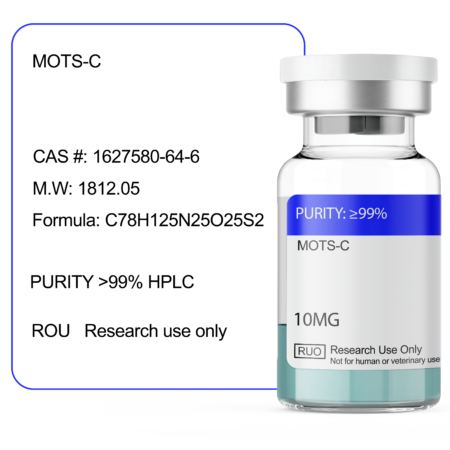
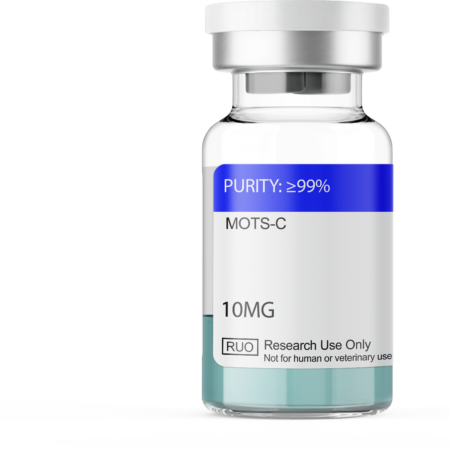
MOTS-C 10MG is a 10-milligram format of MOTS-C, a 16 amino acid mitochondria-derived peptide encoded within mitochondrial 12S rRNA. Researchers study MOTS-C in relation to metabolic signaling, cellular stress responses, and mitochondrial nuclear communication in preclinical systems. Its small size and endogenous origin make it a common target in mechanistic peptide research.
In Stock
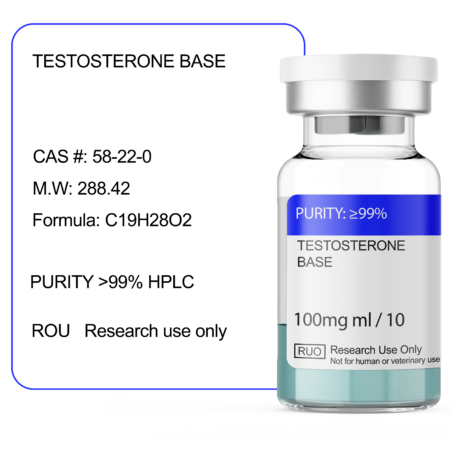
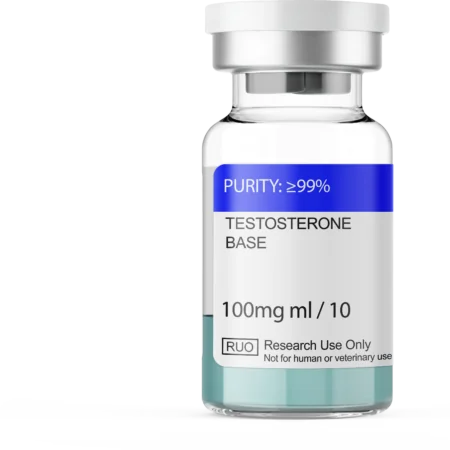
Testosterone Base – 100mg/ml, 10 is a 100 mg/mL format of testosterone, the primary endogenous androgen and anabolic steroid hormone in humans. Researchers study testosterone in models of androgen receptor signaling, steroidogenesis, and endocrine regulation. It is also used as a reference standard in analytical chemistry and bioassay method development.
In Stock
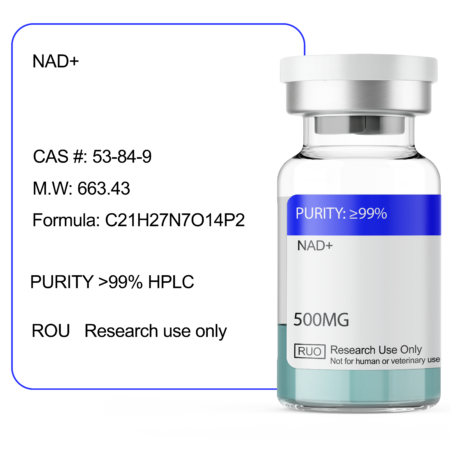
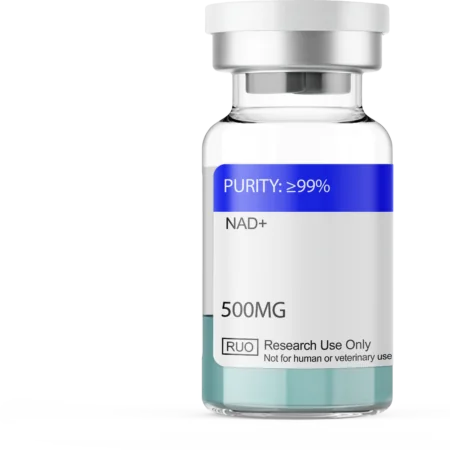
NAD 500MH refers to a 500MH format of nicotinamide adenine dinucleotide (NAD), a ubiquitous pyridine dinucleotide central to cellular redox chemistry. Researchers study NAD in work involving energy metabolism, mitochondrial function, and enzymatic pathways such as sirtuins and PARPs.
In Stock
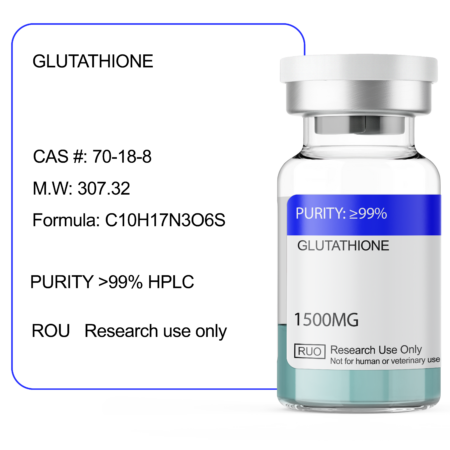
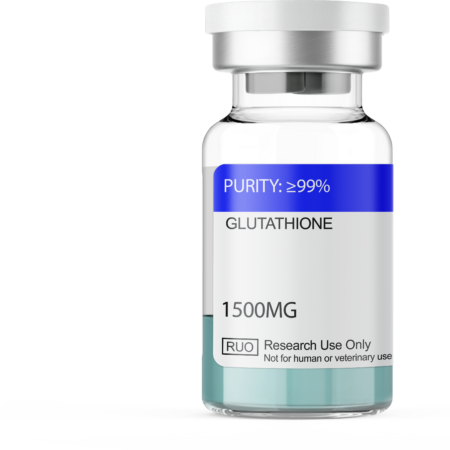
Glutathione 1500MG is a 1500-milligram format of glutathione, a naturally occurring tripeptide made of glutamate, cysteine, and glycine. Researchers study glutathione in the context of cellular redox balance and antioxidant systems. It is also investigated in models involving detoxification pathways and oxidative stress biology.
In Stock
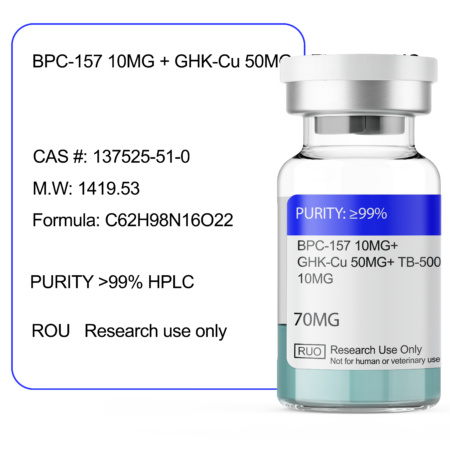
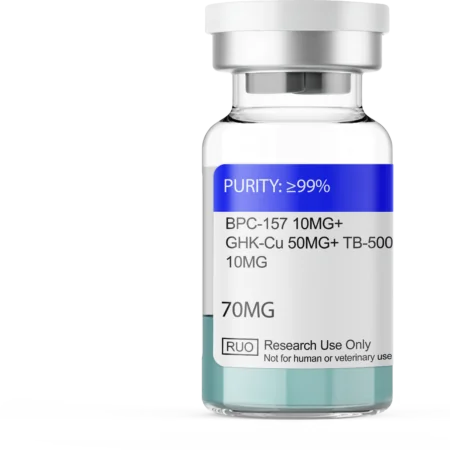
BPC-157 + GHK-GHK-Cu + TB-500 70MG is a 70-milligram combination format of three commonly studied research peptides: BPC-157, GHK-Cu, and TB-500. Researchers investigate these peptides in preclinical work involving connective tissue biology, angiogenesis signaling, and recovery related pathways. The blend is used in experimental designs where multiple peptide classes are evaluated together under controlled laboratory conditions.
In Stock
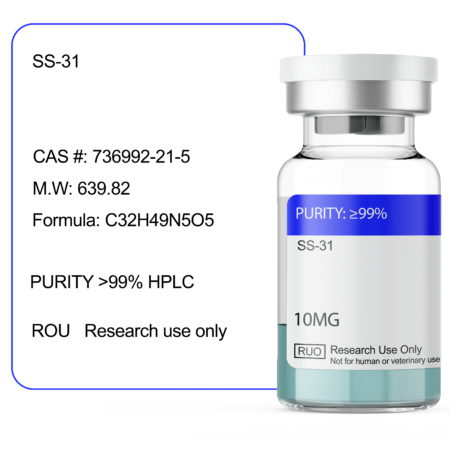
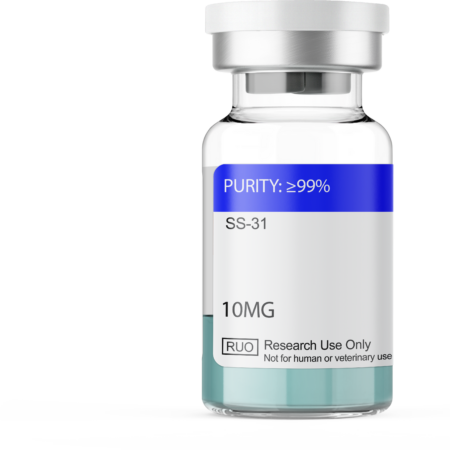
SS-31 10MG is a 10-milligram format of SS-31, a synthetic mitochondria targeted tetrapeptide also known as elamipretide. Researchers study SS-31 for its potential interactions with cardiolipin and mitochondrial membrane function in preclinical models. Studies have examined SS-31 in cellular and animal research involving bioenergetics and oxidative stress pathways.
In Stock
