

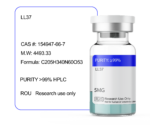
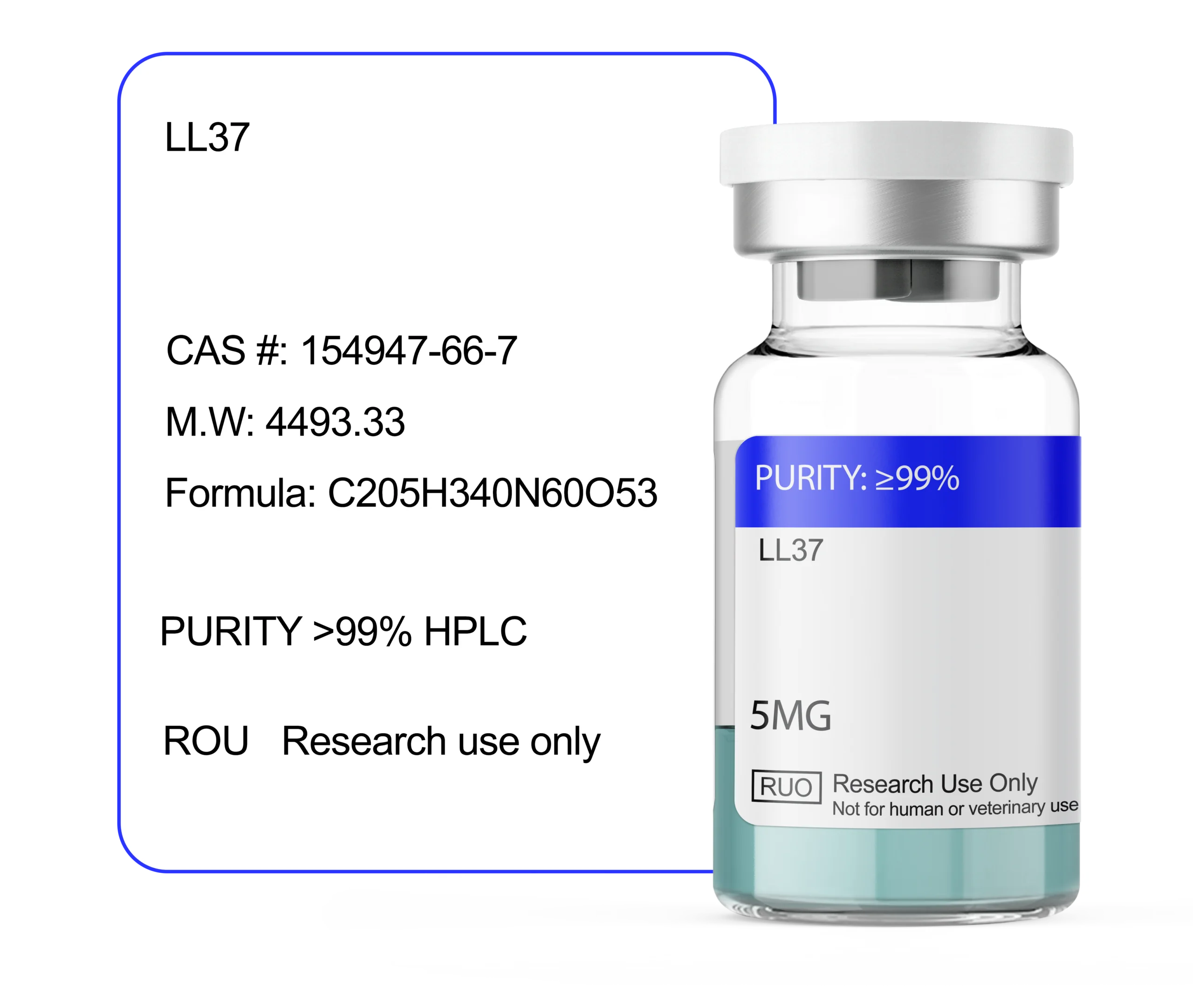
LL37 5MG
LL37 5MG is a 5-milligram format of LL-37, a human cathelicidin antimicrobial peptide fragment best known as a 37 amino acid host defense peptide derived from the CAMP gene product. Researchers study LL-37 for its potential role in innate immune signaling, microbial membrane interactions, and epithelial barrier models.
In Stock
LL37 5MG is a 5-milligram format of LL-37, a cationic host defense peptide associated with the human cathelicidin family. Often referenced as a 37 amino acid fragment derived from the hCAP18 precursor, LL-37 is widely used in laboratory work examining peptide mediated antimicrobial activity and immune related signaling.
Studies have examined LL37 5MG in the context of biofilm research, wound environment models, and epithelial or mucosal systems, where peptide charge and amphipathic structure are variables of interest. Researchers also investigate LL-37 for its potential interactions with lipopolysaccharide, chemotactic pathways, and inflammatory mediator profiles in preclinical settings.
- Specification: 5MG
This product is intended for laboratory and research purposes only. Not for human consumption.
| Weight | 0.2 kg |
|---|---|
| Dimensions | 5 × 5 × 5 cm |
Related Products
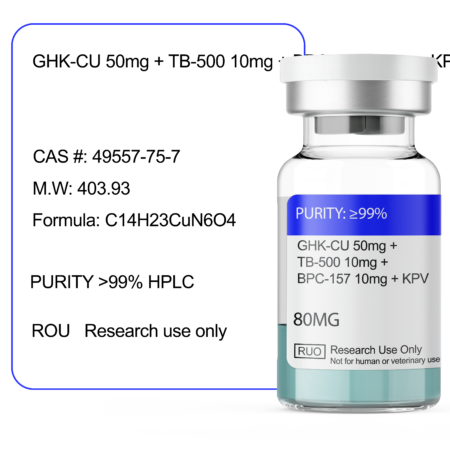
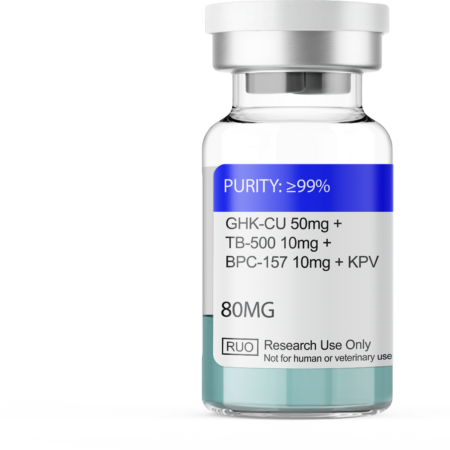
GHK-Cu + TB-500 + BPC-157 + KPV 80MG is an 80-milligram multi-peptide blend combining a copper tripeptide complex with three commonly studied synthetic peptides. Researchers investigate these components in preclinical and in vitro work related to extracellular matrix biology, cell migration signaling, and tissue model recovery. Studies have also examined GHK-Cu, TB-500, BPC-157, and KPV in contexts involving inflammatory signaling pathways and barrier integrity models.
In Stock
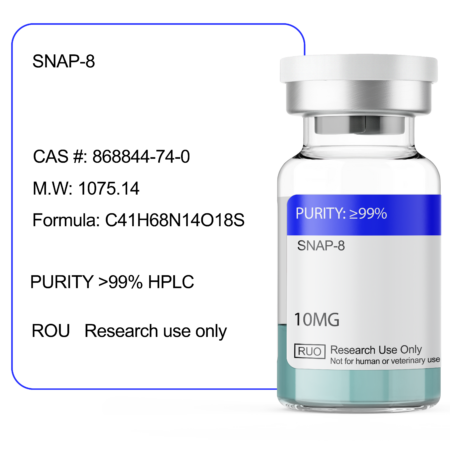
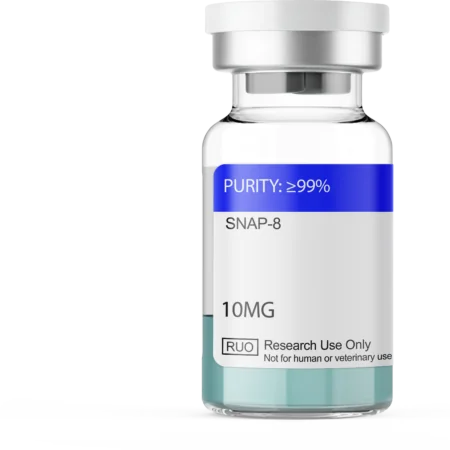
SNAP-8 – 10MG is a 10-milligram format of SNAP-8, a synthetic octapeptide commonly referred to as acetyl octapeptide 3. It is studied in cosmetic science as a topical model peptide related to SNAP-25 SNARE pathway research. Researchers have examined SNAP-8 in the context of peptide signalling and skin surface appearance studies.
In Stock
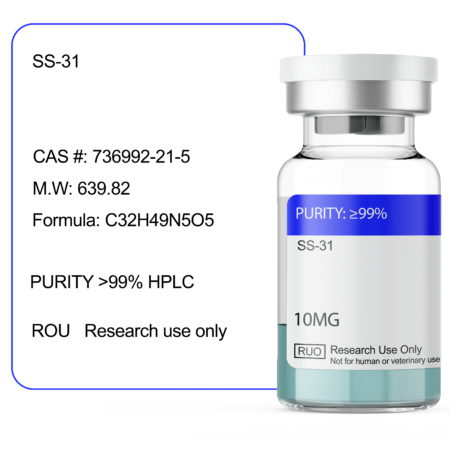
SS-31 10MG is a 10-milligram format of SS-31, a synthetic mitochondria targeted tetrapeptide also known as elamipretide. Researchers study SS-31 for its potential interactions with cardiolipin and mitochondrial membrane function in preclinical models. Studies have examined SS-31 in cellular and animal research involving bioenergetics and oxidative stress pathways.
In Stock
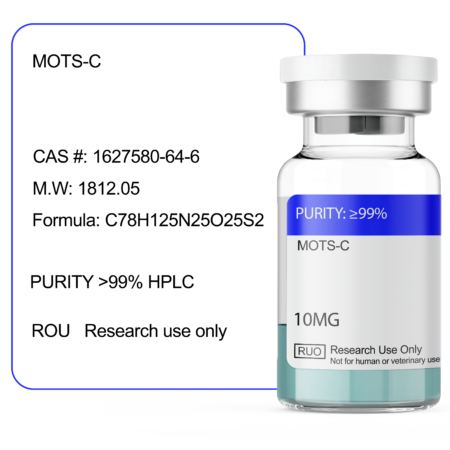
MOTS-C 10MG is a 10-milligram format of MOTS-C, a 16 amino acid mitochondria-derived peptide encoded within mitochondrial 12S rRNA. Researchers study MOTS-C in relation to metabolic signaling, cellular stress responses, and mitochondrial nuclear communication in preclinical systems. Its small size and endogenous origin make it a common target in mechanistic peptide research.
In Stock
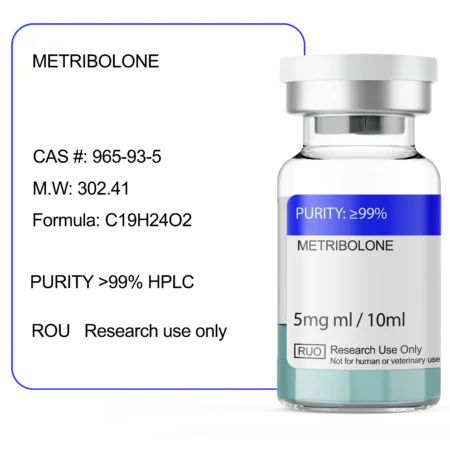
Metribolone 5mg/ml 10ml is a concentration and volume format of metribolone, a synthetic anabolic androgenic steroid also known as R1881. Researchers use metribolone as a high affinity androgen receptor agonist reference compound in receptor binding and transcriptional activity studies. It is commonly handled as a laboratory standard in endocrine and molecular pharmacology research.
In Stock
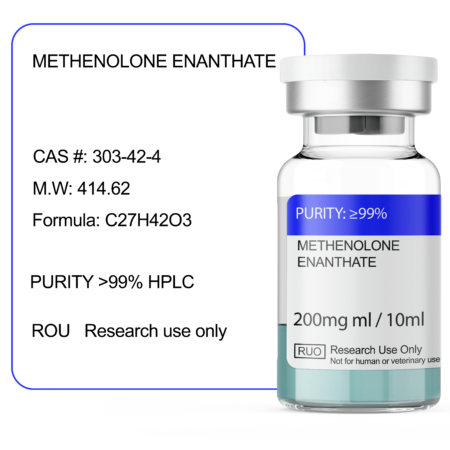
Methenolone Enanthate 200mg/ml 10ml is a 17 beta esterified derivative of methenolone, an anabolic androgenic steroid related to dihydrotestosterone. Researchers have examined methenolone enanthate in studies involving androgen receptor activity, anabolic androgenic structure activity relationships, and ester dependent pharmacokinetics.
In Stock
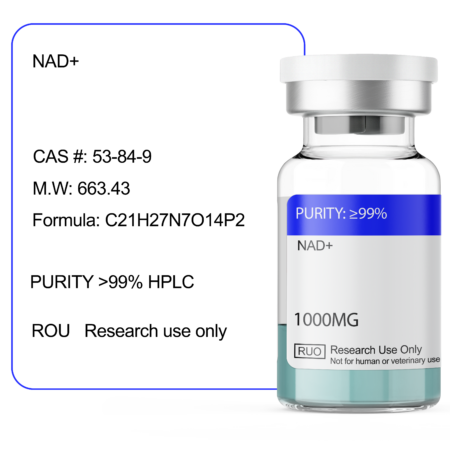
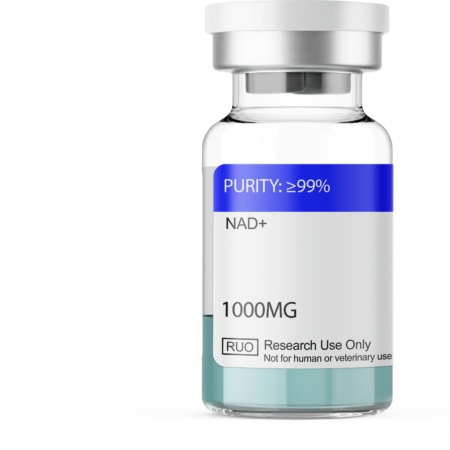
NAD 1000MG is a 1000-milligram format of nicotinamide adenine dinucleotide, a ubiquitous pyridine nucleotide cofactor central to cellular redox chemistry. Researchers study NAD in relation to mitochondrial metabolism, energy transfer reactions, and NAD dependent signaling pathways.
In Stock
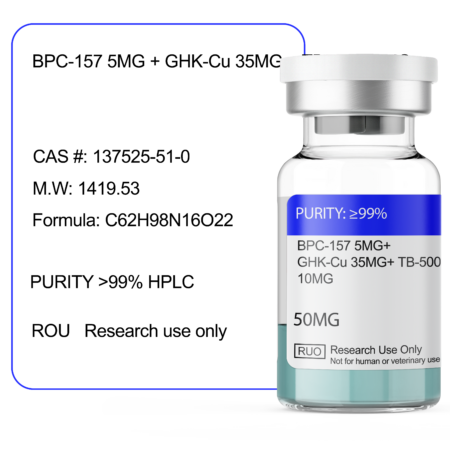
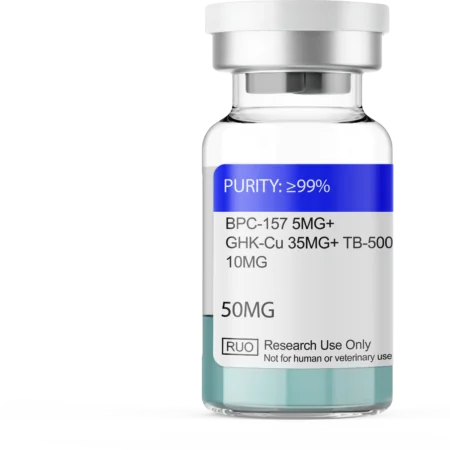
BPC-157 + GHK-GHK-Cu + TB-500 50MG is a 50-milligram combination format bringing together three widely studied research peptides used in preclinical recovery and tissue-model work. Researchers investigate BPC-157, a 15 amino acid peptide fragment, alongside the copper binding GHK tripeptide motif and TB-500, a thymosin beta 4 analogue fragment, in models involving connective tissue, angiogenesis signaling, and cellular migration pathways.
In Stock
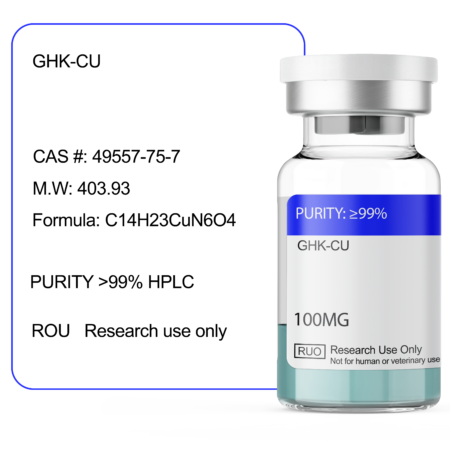
GHK-Cu 100MG is a 100-milligram format of GHK-Cu, a copper complex of the tripeptide glycyl L histidyl L lysine. Researchers study this peptide copper complex in models of skin biology, extracellular matrix signaling, and tissue remodeling. Studies have also examined GHK-Cu in the context of wound related research and oxidative stress pathways.
In Stock
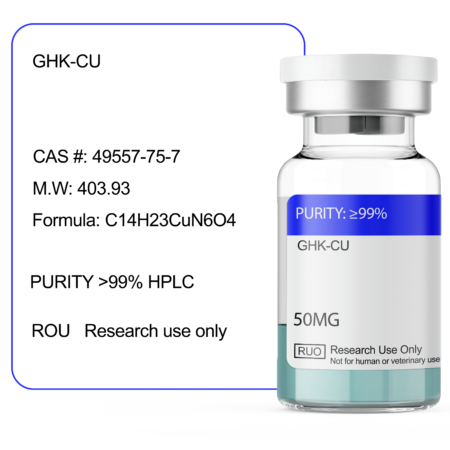
GHK-Cu 50MG is a 50-milligram format of copper peptide GHK-Cu, a coordination complex formed by the tripeptide glycyl-L-histidyl-L-lysine bound to Cu2+. Researchers study GHK-Cu in models involving skin biology, extracellular matrix signaling, and wound related pathways.
In Stock
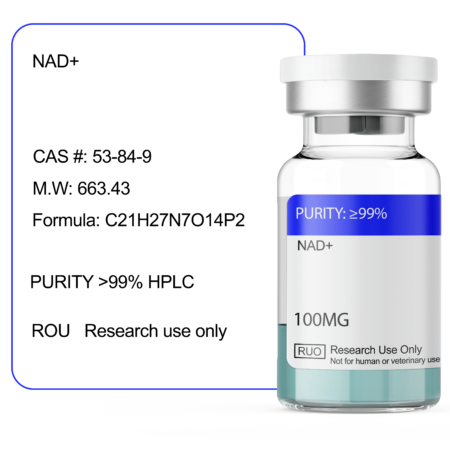
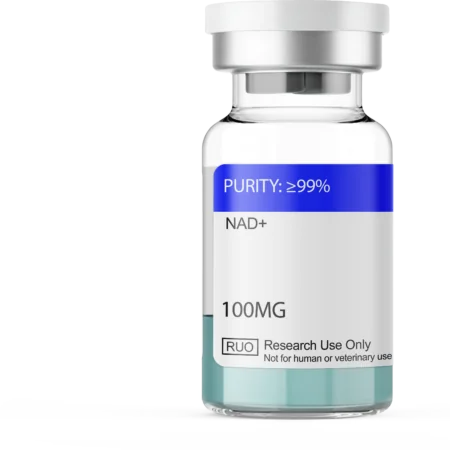
NAD 100MG is a 100-milligram format of nicotinamide adenine dinucleotide (NAD+), a ubiquitous pyridine nucleotide that participates in cellular redox reactions. Researchers study NAD+ in the context of mitochondrial metabolism, oxidative stress models, and enzyme systems such as sirtuins and PARPs.
In Stock
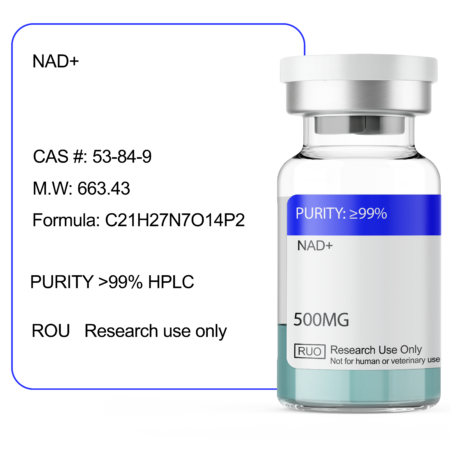
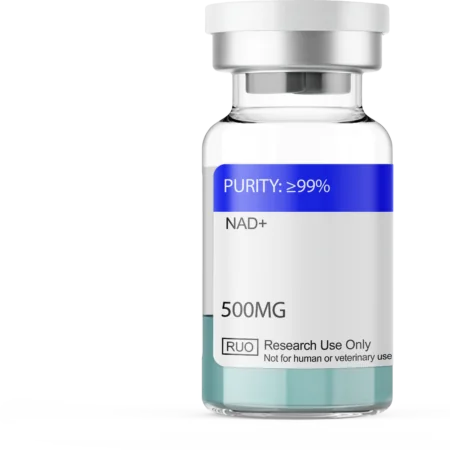
NAD 500MH refers to a 500MH format of nicotinamide adenine dinucleotide (NAD), a ubiquitous pyridine dinucleotide central to cellular redox chemistry. Researchers study NAD in work involving energy metabolism, mitochondrial function, and enzymatic pathways such as sirtuins and PARPs.
In Stock
