

MOTS-C – 40MG
$110.00
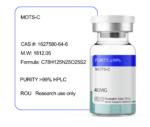
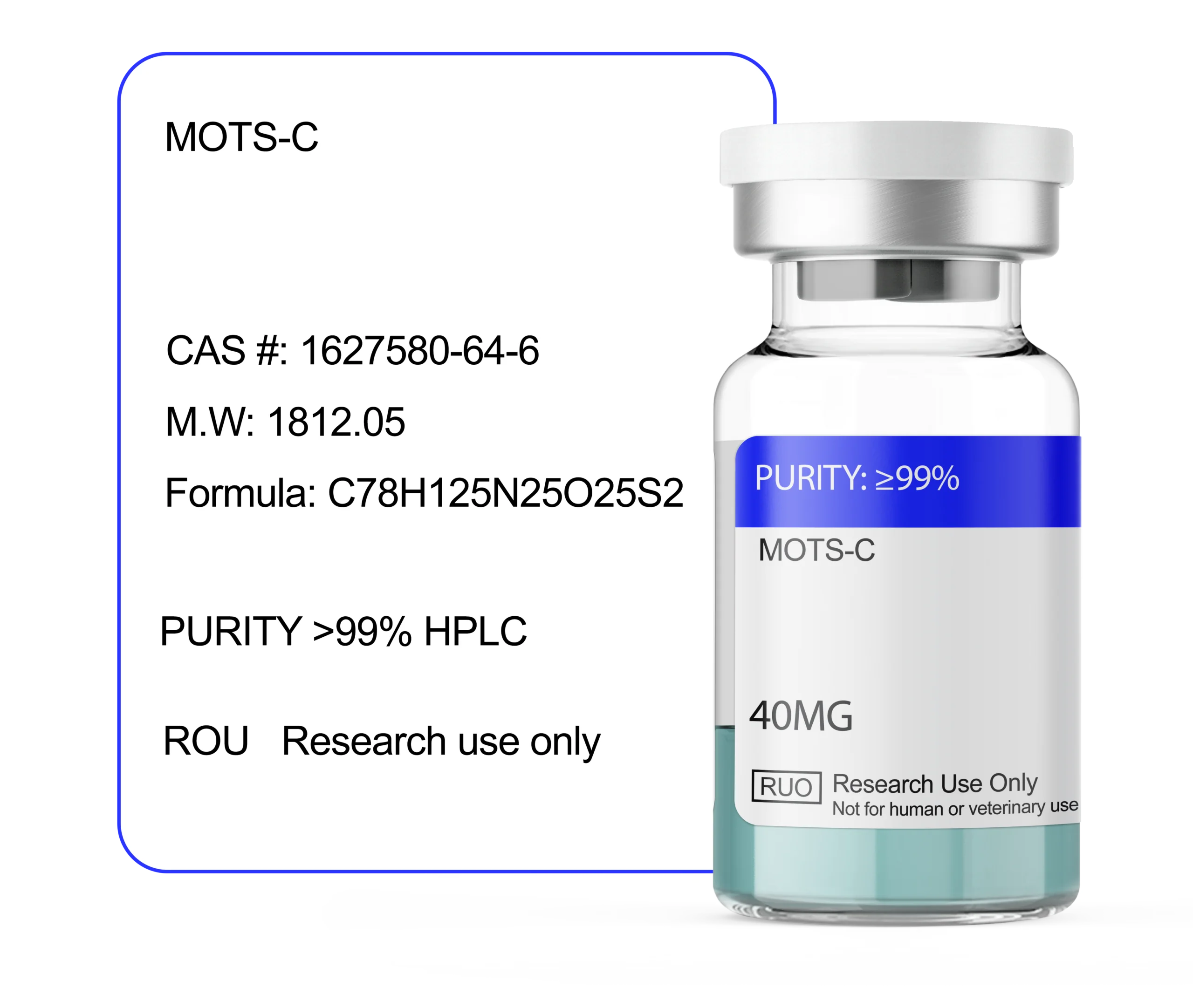
MOTS-C 40MG is a 40-milligram format of MOTS-c, a 16 amino acid mitochondrial derived peptide encoded within mitochondrial 12S rRNA. Researchers study MOTS-c for its potential role in cellular stress responses and metabolic signaling in preclinical models. Interest also includes how this peptide may interact with exercise related pathways and adaptive physiology.
In Stock
MOTS-C 40MG is a 40-milligram format of MOTS-c, a 16 amino acid mitochondrial derived peptide first described as a product of an open reading frame within mitochondrial 12S rRNA. Studies have examined MOTS-C 40MG in preclinical settings related to energy metabolism, cellular homeostasis, and stress adaptation, with ongoing interest in how mitochondrial peptides may participate in inter organ signaling.
Researchers also investigate MOTS-c in models involving insulin signaling, oxidative stress markers, and exercise associated metabolic pathways, although findings vary by model and study design. Its status as a mitochondria encoded peptide makes it a common reference point in research on mitochondrial communication and small peptide biology.
- Specification: 40MG
- Sequence: MRWQEMGYIFYPRKLR
This product is intended for laboratory and research purposes only. Not for human consumption.
| Weight | 0.2 kg |
|---|---|
| Dimensions | 5 × 5 × 5 cm |
Related Products
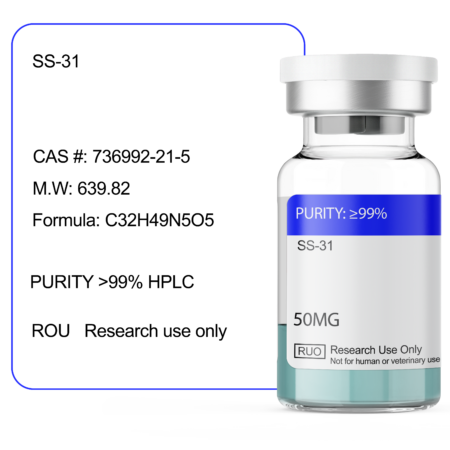
SS-31 50MG is a 50-milligram format of SS-31, a synthetic tetrapeptide also known as elamipretide. Researchers study SS-31 for its potential to localize to mitochondria and for its use in preclinical models examining mitochondrial membrane and bioenergetic pathways.
In Stock
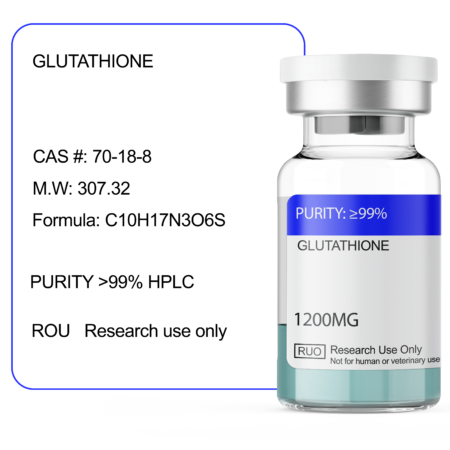
Glutathione 1200MG is a 1200-milligram format of glutathione, a naturally occurring tripeptide composed of glutamate, cysteine, and glycine. Researchers study glutathione in redox biology and oxidative stress models, including pathways involved in cellular detoxification and antioxidant cycling.
In Stock
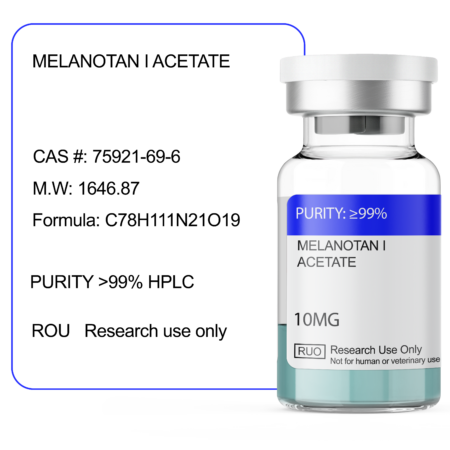
MT1 10Mg 10MG refers to a 10-milligram format of MT1, a melanocortin research peptide commonly associated with melanotropin analog research. Researchers study MT1 in the context of melanocortin receptor signaling, pigmentation pathways, and related neuroendocrine models.
In Stock
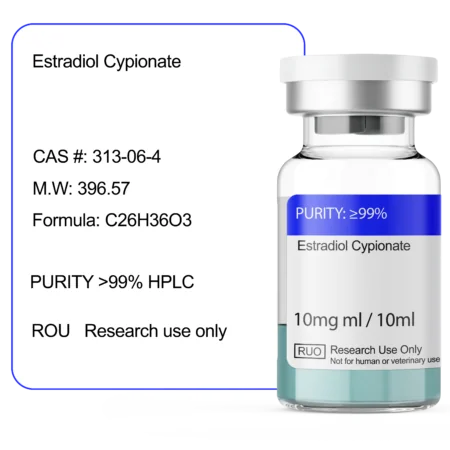
Estradiol Cypionate 10mg/ml, 10ml is a specified concentration and volume format of estradiol cypionate, an esterified form of 17 beta estradiol. Researchers use estradiol esters in laboratory work where sustained release profiles are examined in analytical, receptor binding, and pharmacokinetic models.
In Stock
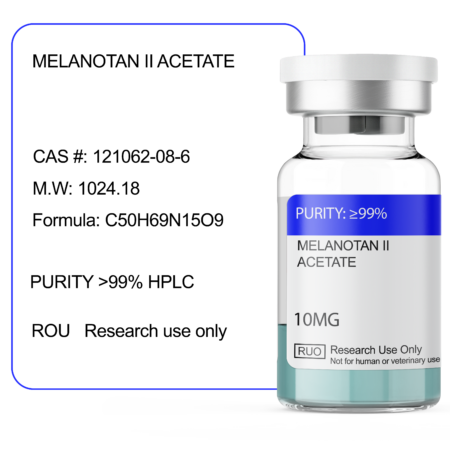
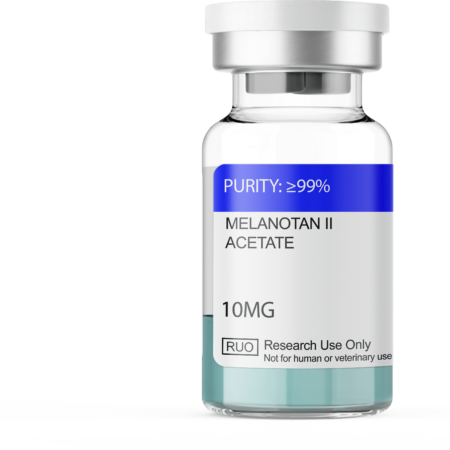
MT-2 Melanotan II Acetate 10MG is a 10-milligram format of melanotan II, a synthetic melanocortin peptide analogue related to alpha MSH. Researchers study it for its potential interaction with melanocortin receptors and downstream signaling in pigmentation and appetite models. Studies have also examined MT-2 Melanotan II Acetate 10MG in broader neuroendocrine research contexts.
In Stock
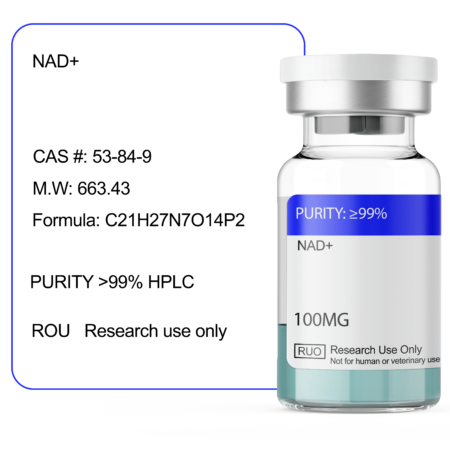
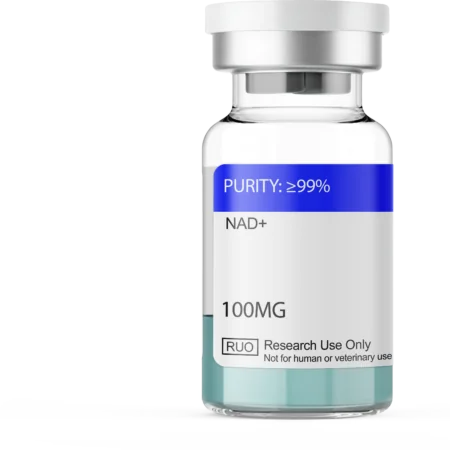
NAD 100MG is a 100-milligram format of nicotinamide adenine dinucleotide (NAD+), a ubiquitous pyridine nucleotide that participates in cellular redox reactions. Researchers study NAD+ in the context of mitochondrial metabolism, oxidative stress models, and enzyme systems such as sirtuins and PARPs.
In Stock
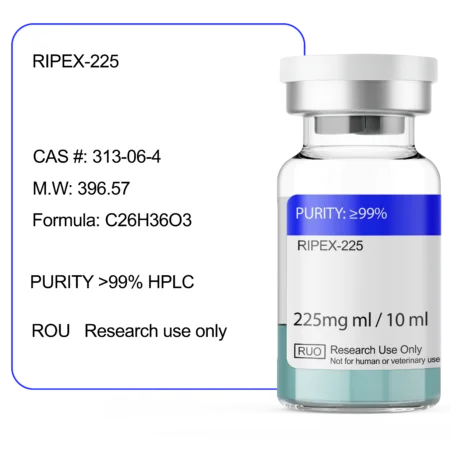
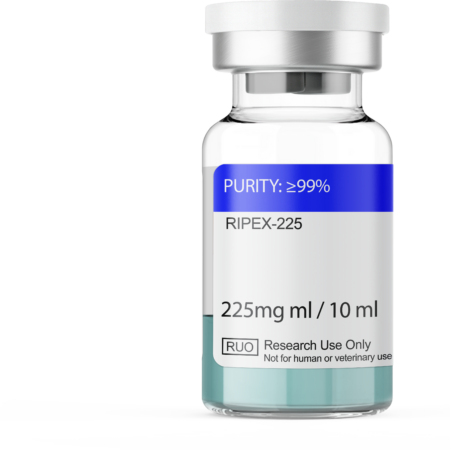
Ripex-225 225mg/ml, 10 ml is a research compound supplied in a defined concentration and volume format. Researchers may reference Ripex-225 in analytical, stability, or method development work where consistent concentration labeling is required. This product is intended for laboratory workflows that document concentration and total volume as primary identifiers.
In Stock
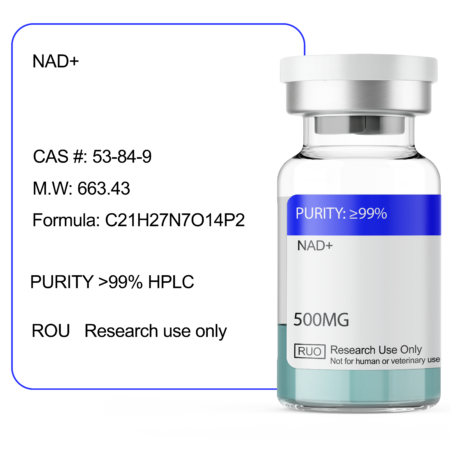
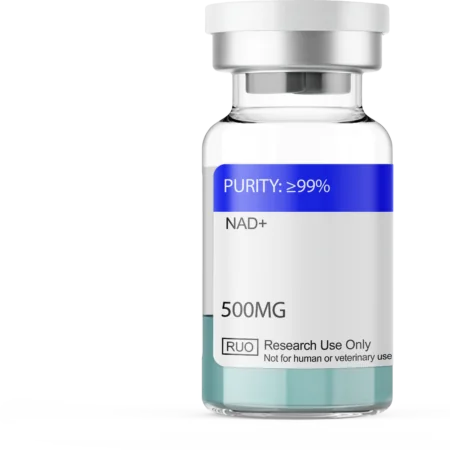
NAD 500MH refers to a 500MH format of nicotinamide adenine dinucleotide (NAD), a ubiquitous pyridine dinucleotide central to cellular redox chemistry. Researchers study NAD in work involving energy metabolism, mitochondrial function, and enzymatic pathways such as sirtuins and PARPs.
In Stock
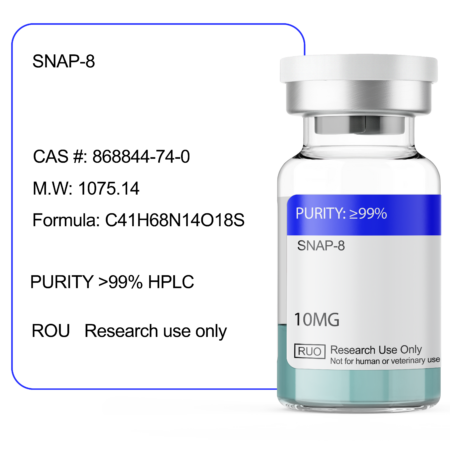
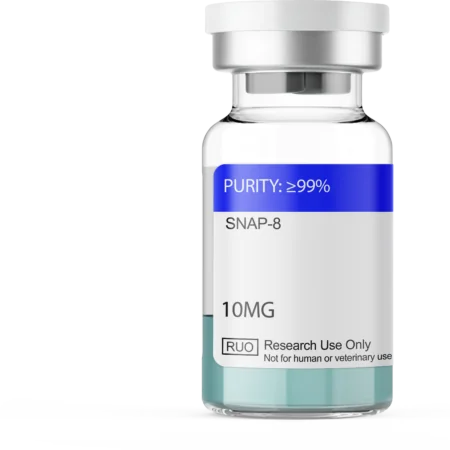
SNAP-8 – 10MG is a 10-milligram format of SNAP-8, a synthetic octapeptide commonly referred to as acetyl octapeptide 3. It is studied in cosmetic science as a topical model peptide related to SNAP-25 SNARE pathway research. Researchers have examined SNAP-8 in the context of peptide signalling and skin surface appearance studies.
In Stock
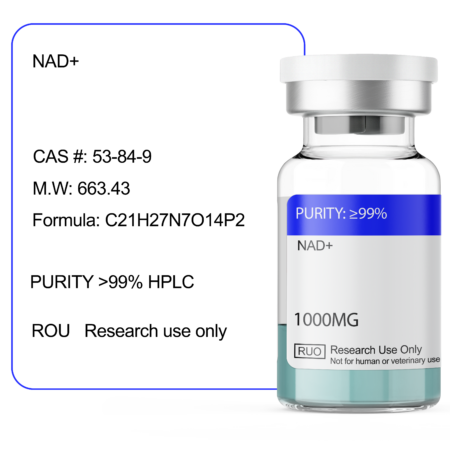
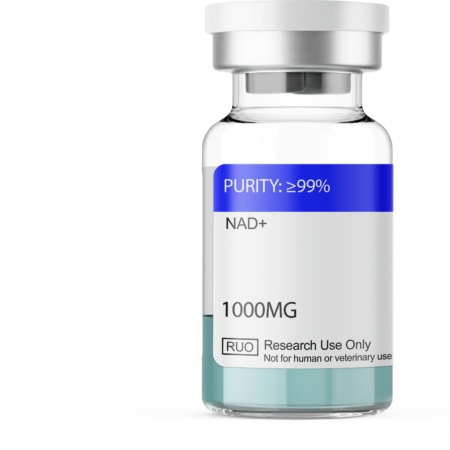
NAD 1000MG is a 1000-milligram format of nicotinamide adenine dinucleotide, a ubiquitous pyridine nucleotide cofactor central to cellular redox chemistry. Researchers study NAD in relation to mitochondrial metabolism, energy transfer reactions, and NAD dependent signaling pathways.
In Stock
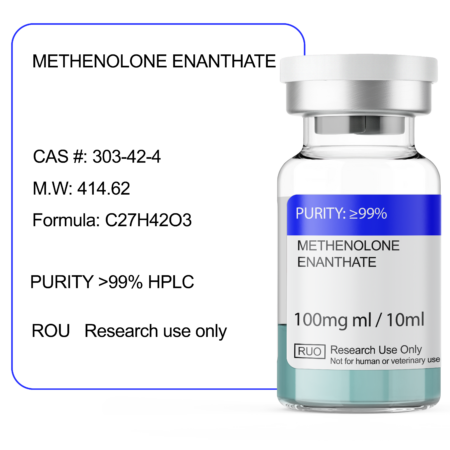
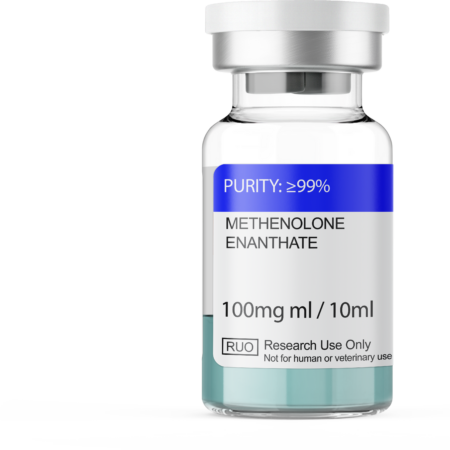
Methenolone Enanthate – 100mg/ml, 10ml is a specified concentration and volume format of methenolone enanthate, an enanthate ester of methenolone, a synthetic anabolic androgenic steroid derivative of dihydrotestosterone. Researchers study methenolone esters in analytical and receptor binding work involving androgen signaling. It is also examined in methods development for steroid profiling and reference comparisons.
In Stock
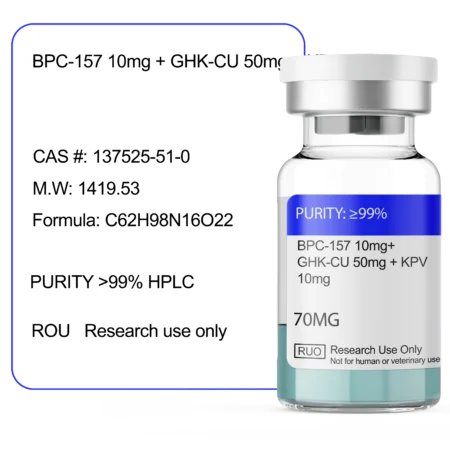
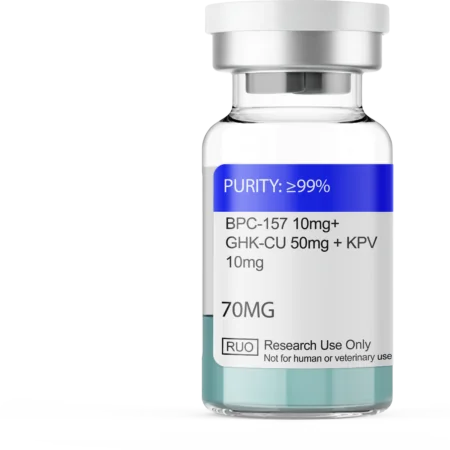
BPC-157 + GHK-GHK-Cu + KPV 70MG is a 70-milligram combination format featuring BPC-157, a synthetic 15 amino acid peptide, alongside GHK-GHK-Cu, a copper bound GHK repeat peptide complex, and KPV, a tripeptide fragment of alpha MSH. This blend is of interest in peptide research that examines wound environment signaling, extracellular matrix related pathways, and peptide copper interactions. Studies have investigated each component in preclinical models involving connective tissue, skin biology, and inflammatory signaling.
In Stock
