

Pinealon 10MG
$65.00
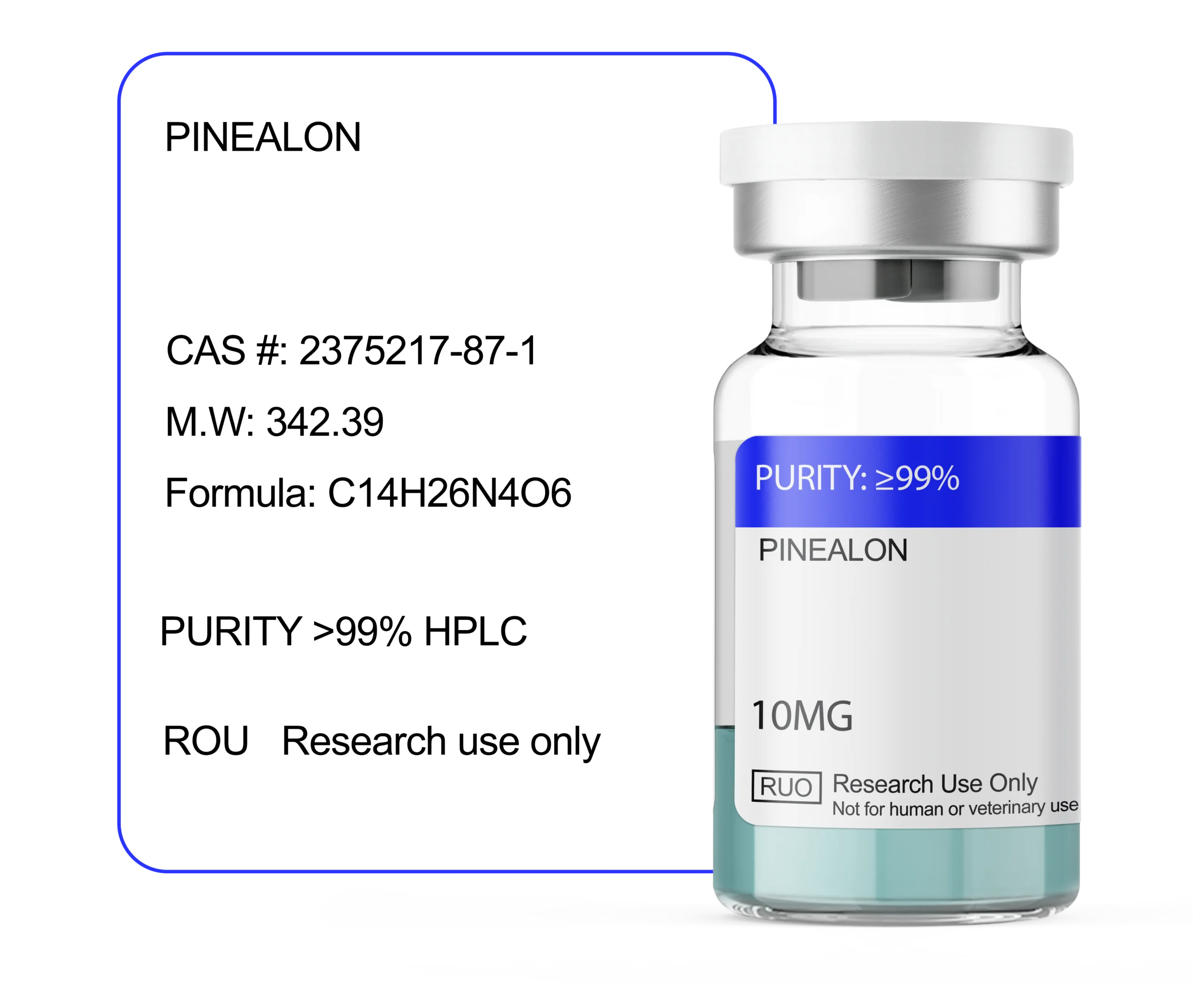
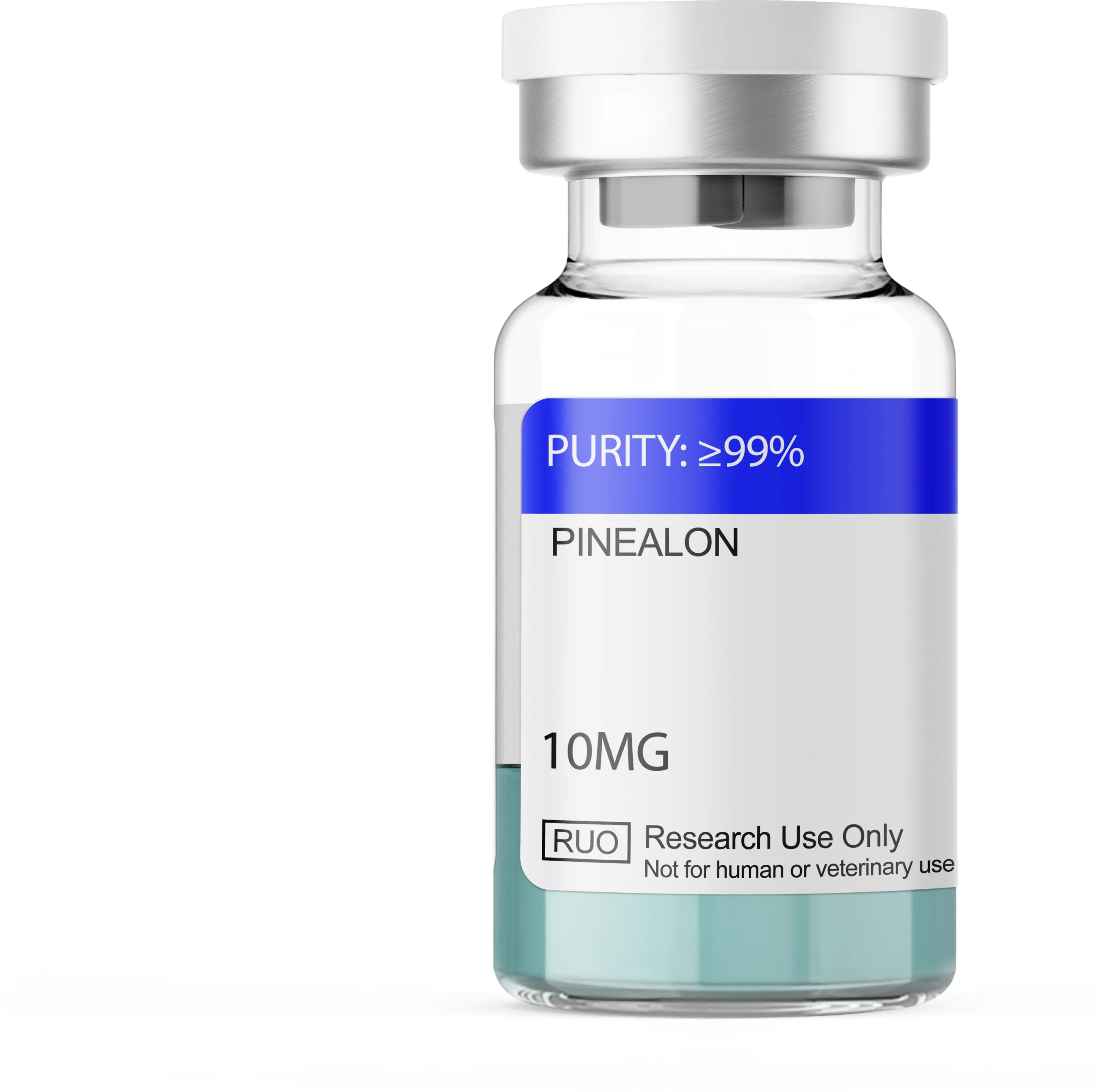
Pinealon 10MG is a 10-milligram format of Pinealon, a synthetic tripeptide with the sequence Glu Asp Arg. Researchers study this short peptide in preclinical settings related to neurobiology, including peptide signaling and stress response models. It is also examined in laboratory work focused on peptide stability and transport.
In Stock
Pinealon 10MG is a 10-milligram format of Pinealon, a synthetic tripeptide composed of three amino acids: Glu Asp Arg. Due to its small size, Pinealon 10MG is used in research that examines how short regulatory peptides may interact with cellular pathways in nervous system models.
Studies have investigated Pinealon in preclinical contexts involving neuroprotection, oxidative stress markers, and age associated changes in cellular function, with findings commonly discussed as preliminary and model dependent. Analytical work may also evaluate Pinealon for identity confirmation and peptide profiling using standard peptide chemistry methods.
- Specification: 10MG
- Sequence: Glu Asp Arg
- Molecular Weight: 418.40 g/mol
- Molecular Formula: C15H26N6O8
This product is intended for laboratory and research purposes only. Not for human consumption.
| Weight | 0.2 kg |
|---|---|
| Dimensions | 5 × 5 × 5 cm |
Related Products
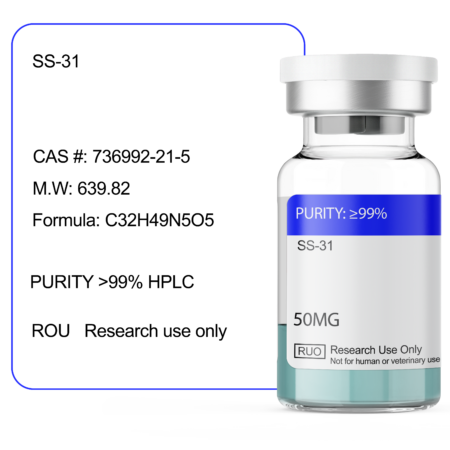
SS-31 50MG is a 50-milligram format of SS-31, a synthetic tetrapeptide also known as elamipretide. Researchers study SS-31 for its potential to localize to mitochondria and for its use in preclinical models examining mitochondrial membrane and bioenergetic pathways.
In Stock
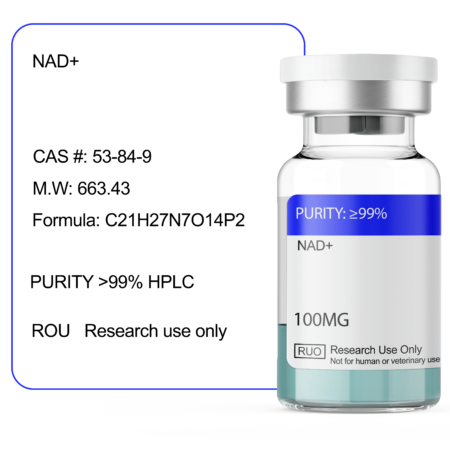
NAD 100MG is a 100-milligram format of nicotinamide adenine dinucleotide (NAD+), a ubiquitous pyridine nucleotide that participates in cellular redox reactions. Researchers study NAD+ in the context of mitochondrial metabolism, oxidative stress models, and enzyme systems such as sirtuins and PARPs.
In Stock
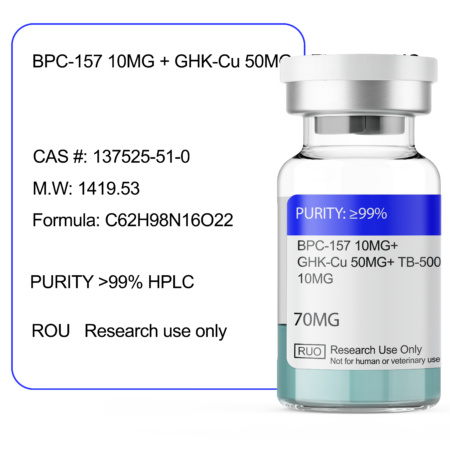
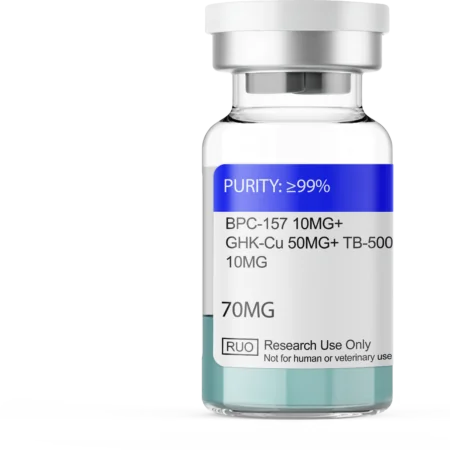
BPC-157 + GHK-GHK-Cu + TB-500 70MG is a 70-milligram combination format of three commonly studied research peptides: BPC-157, GHK-Cu, and TB-500. Researchers investigate these peptides in preclinical work involving connective tissue biology, angiogenesis signaling, and recovery related pathways. The blend is used in experimental designs where multiple peptide classes are evaluated together under controlled laboratory conditions.
In Stock
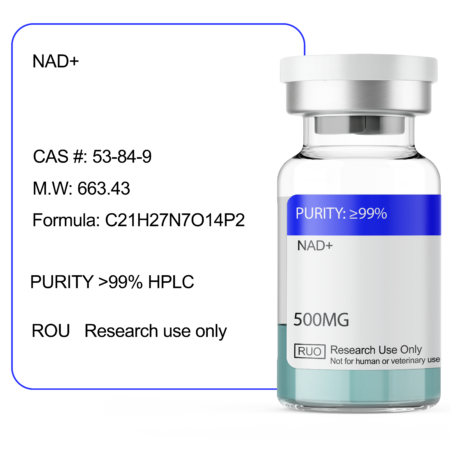
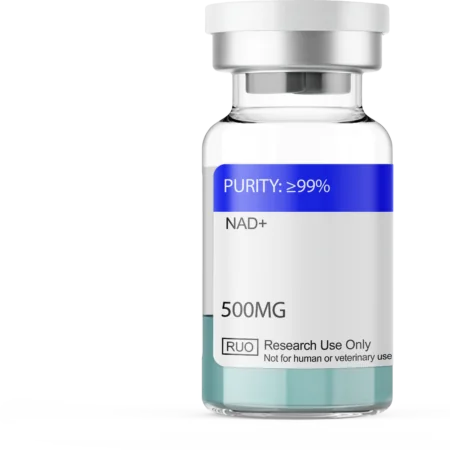
NAD 500MH refers to a 500MH format of nicotinamide adenine dinucleotide (NAD), a ubiquitous pyridine dinucleotide central to cellular redox chemistry. Researchers study NAD in work involving energy metabolism, mitochondrial function, and enzymatic pathways such as sirtuins and PARPs.
In Stock
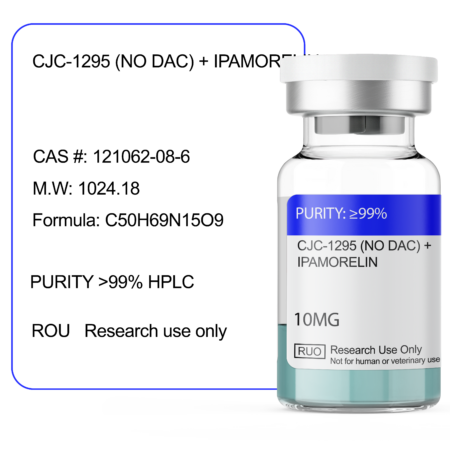
CJC-1295 No DAC + Ipamorelin 10MG is a combined 10MG format pairing a CJC 1295 (no DAC) GHRH analogue with ipamorelin, a ghrelin receptor agonist peptide. This blend is commonly used in research that examines pulsatile growth hormone signaling pathways and IGF 1 related biomarkers. Studies have explored these peptides in endocrine and metabolism focused experimental models.
In Stock
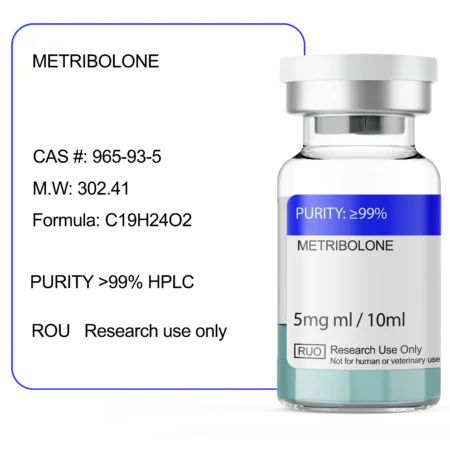
Metribolone 5mg/ml 10ml is a concentration and volume format of metribolone, a synthetic anabolic androgenic steroid also known as R1881. Researchers use metribolone as a high affinity androgen receptor agonist reference compound in receptor binding and transcriptional activity studies. It is commonly handled as a laboratory standard in endocrine and molecular pharmacology research.
In Stock
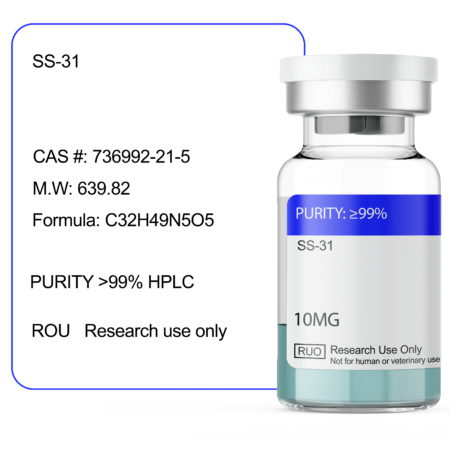
SS-31 10MG is a 10-milligram format of SS-31, a synthetic mitochondria targeted tetrapeptide also known as elamipretide. Researchers study SS-31 for its potential interactions with cardiolipin and mitochondrial membrane function in preclinical models. Studies have examined SS-31 in cellular and animal research involving bioenergetics and oxidative stress pathways.
In Stock
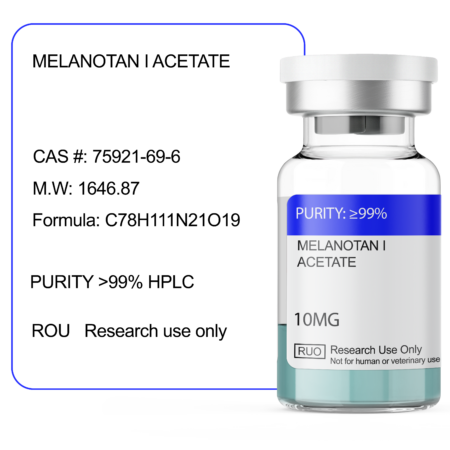
MT1 10Mg 10MG refers to a 10-milligram format of MT1, a melanocortin research peptide commonly associated with melanotropin analog research. Researchers study MT1 in the context of melanocortin receptor signaling, pigmentation pathways, and related neuroendocrine models.
In Stock
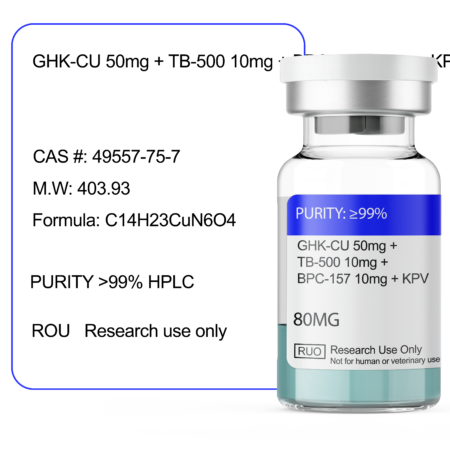
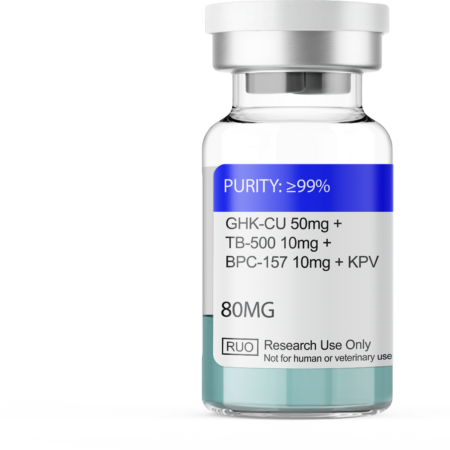
GHK-Cu + TB-500 + BPC-157 + KPV 80MG is an 80-milligram multi-peptide blend combining a copper tripeptide complex with three commonly studied synthetic peptides. Researchers investigate these components in preclinical and in vitro work related to extracellular matrix biology, cell migration signaling, and tissue model recovery. Studies have also examined GHK-Cu, TB-500, BPC-157, and KPV in contexts involving inflammatory signaling pathways and barrier integrity models.
In Stock
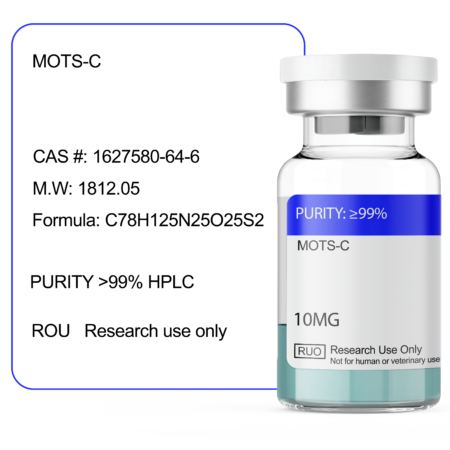
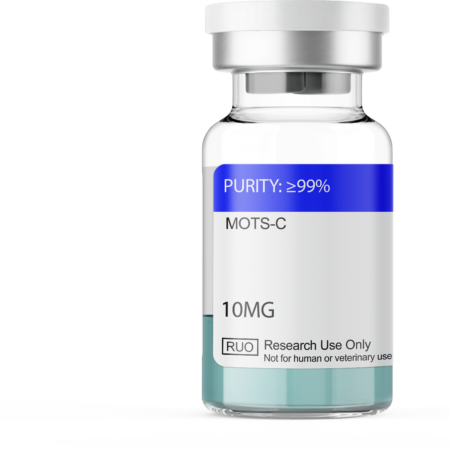
MOTS-C 10MG is a 10-milligram format of MOTS-C, a 16 amino acid mitochondria-derived peptide encoded within mitochondrial 12S rRNA. Researchers study MOTS-C in relation to metabolic signaling, cellular stress responses, and mitochondrial nuclear communication in preclinical systems. Its small size and endogenous origin make it a common target in mechanistic peptide research.
In Stock
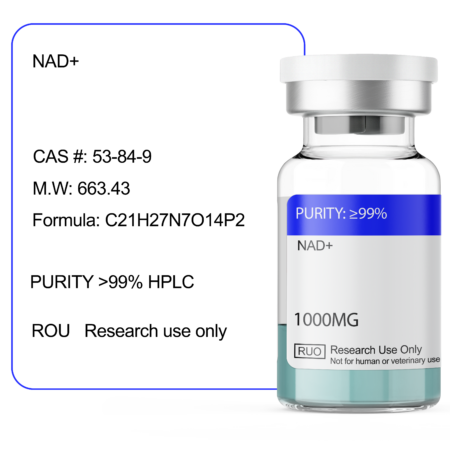
NAD 1000MG is a 1000-milligram format of nicotinamide adenine dinucleotide, a ubiquitous pyridine nucleotide cofactor central to cellular redox chemistry. Researchers study NAD in relation to mitochondrial metabolism, energy transfer reactions, and NAD dependent signaling pathways.
In Stock
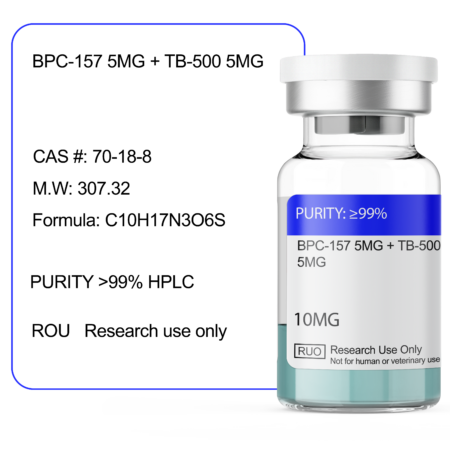
BPC-157 + TB-500 – 10MG combines two widely discussed research peptides in a single 10 mg format. BPC-157 is a synthetic 15 amino acid peptide derived from a gastric protective protein fragment, while TB-500 refers to a thymosin beta 4 fragment commonly studied in peptide research. Researchers investigate this pairing in preclinical work involving connective tissue pathways, angiogenesis related signaling, and models of tissue repair and recovery.
In Stock
