

Melatonin 10MG
$35.00
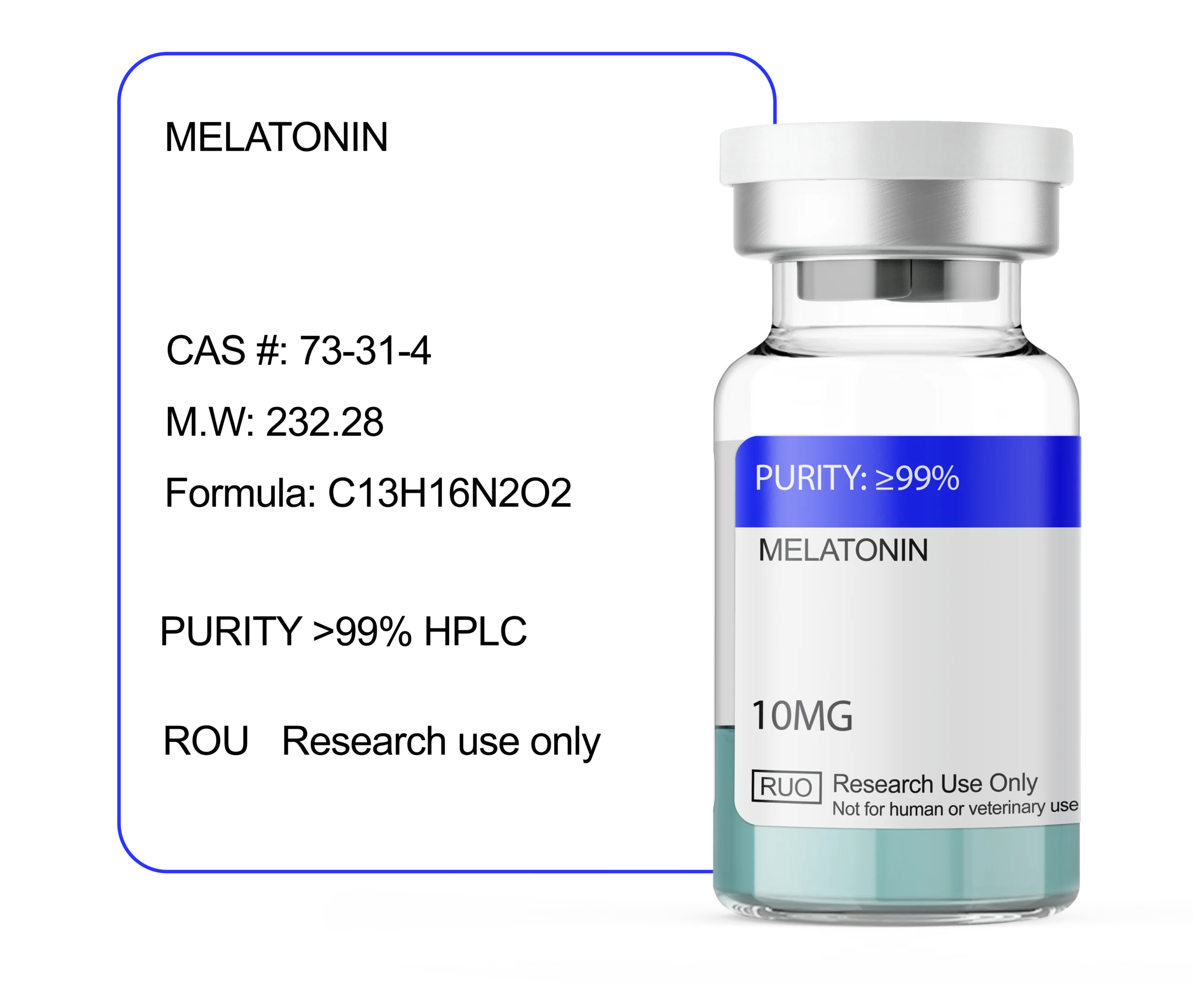
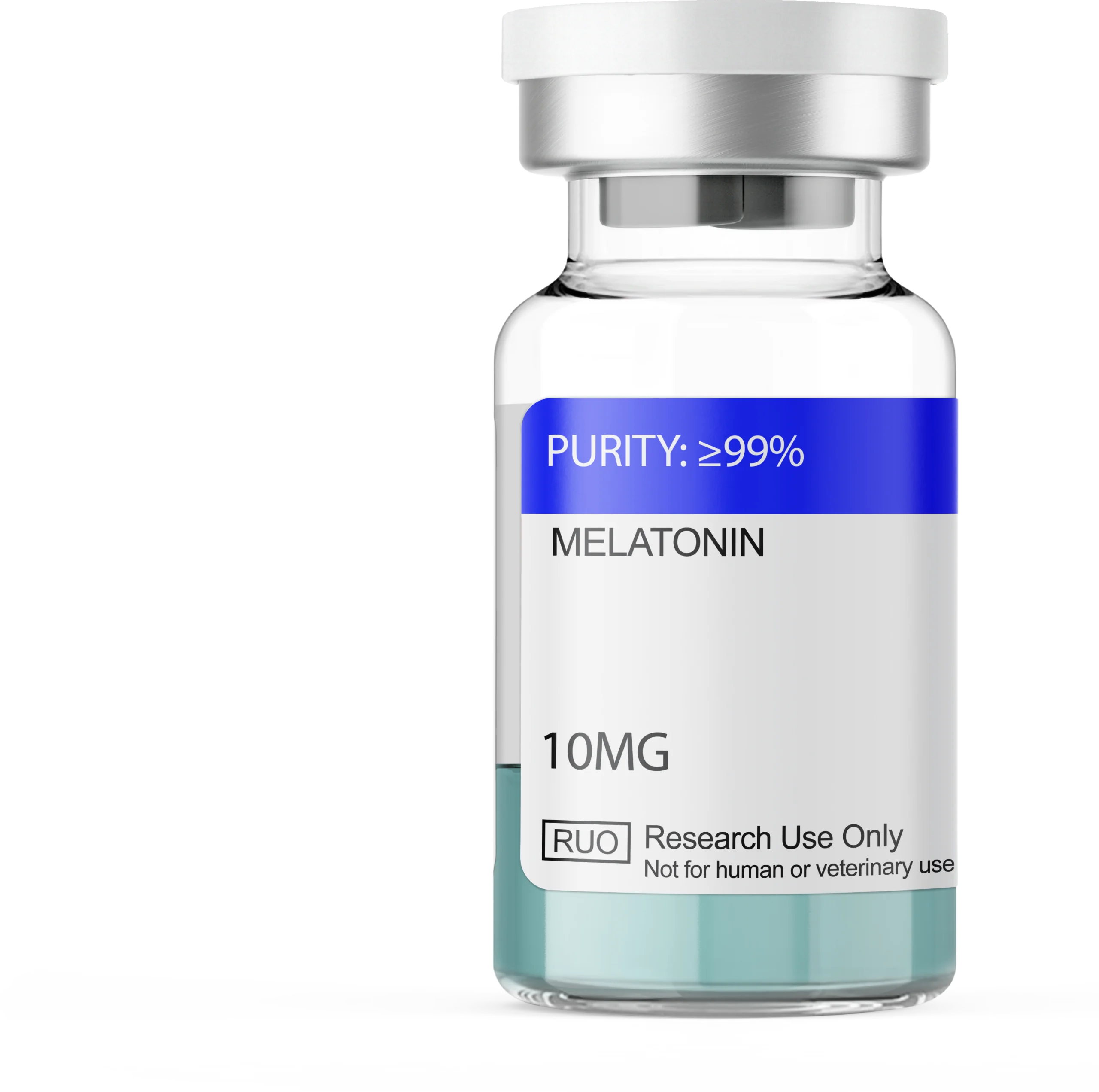
Melatonin 10MG is a 10-milligram format of melatonin, an indoleamine hormone synthesized from tryptophan via serotonin. Researchers study melatonin for its potential role in circadian timing and sleep wake biology, as well as its broader signaling activity in neuroendocrine research. Studies have also examined melatonin in the context of oxidative stress pathways and seasonal physiology.
In Stock
Melatonin 10MG is a 10-milligram format of melatonin, an indoleamine (N-acetyl-5-methoxytryptamine) produced from tryptophan through serotonin intermediates. In research settings, melatonin is widely used as a signaling molecule for studies involving circadian phase regulation, photoperiod responses, and neuroendocrine rhythms.
Beyond timekeeping biology, melatonin has been investigated in cellular and preclinical models related to redox balance and mitochondrial signaling, with findings that may vary by model and experimental conditions. Melatonin 10MG is commonly used where a defined mass of compound is needed for assay development, receptor work, and comparative signaling studies.
- Specification: 10MG
- Molecular Formula: C13H16N2O2
- Molecular Weight: 232.28 g/mol
This product is intended for laboratory and research purposes only. Not for human consumption.
| Weight | 0.2 kg |
|---|---|
| Dimensions | 5 × 5 × 5 cm |
Related Products
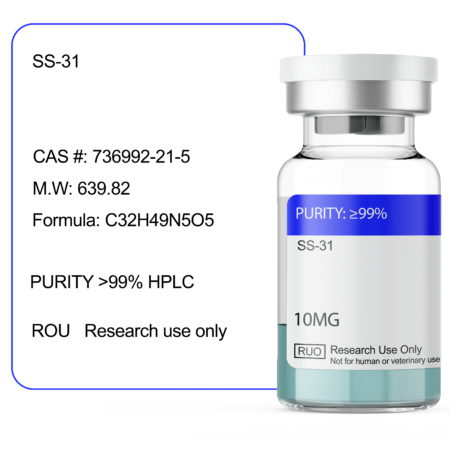
SS-31 10MG is a 10-milligram format of SS-31, a synthetic mitochondria targeted tetrapeptide also known as elamipretide. Researchers study SS-31 for its potential interactions with cardiolipin and mitochondrial membrane function in preclinical models. Studies have examined SS-31 in cellular and animal research involving bioenergetics and oxidative stress pathways.
In Stock
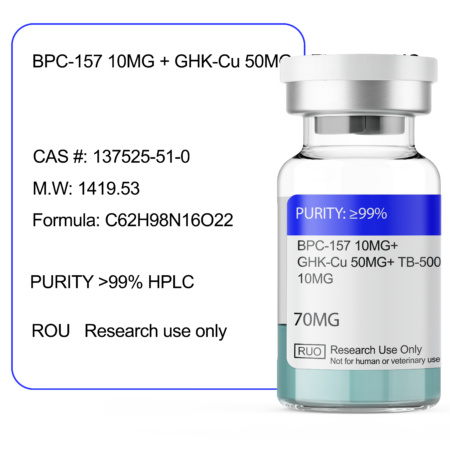
BPC-157 + GHK-GHK-Cu + TB-500 70MG is a 70-milligram combination format of three commonly studied research peptides: BPC-157, GHK-Cu, and TB-500. Researchers investigate these peptides in preclinical work involving connective tissue biology, angiogenesis signaling, and recovery related pathways. The blend is used in experimental designs where multiple peptide classes are evaluated together under controlled laboratory conditions.
In Stock
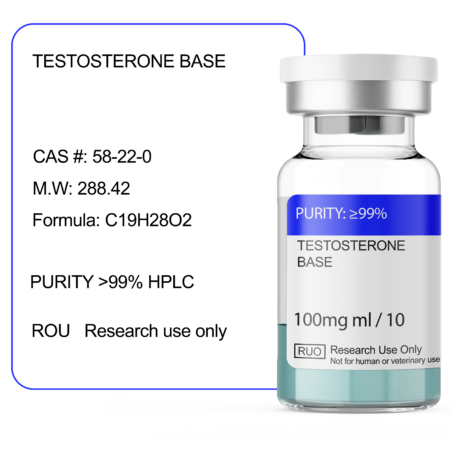
Testosterone Base – 100mg/ml, 10 is a 100 mg/mL format of testosterone, the primary endogenous androgen and anabolic steroid hormone in humans. Researchers study testosterone in models of androgen receptor signaling, steroidogenesis, and endocrine regulation. It is also used as a reference standard in analytical chemistry and bioassay method development.
In Stock
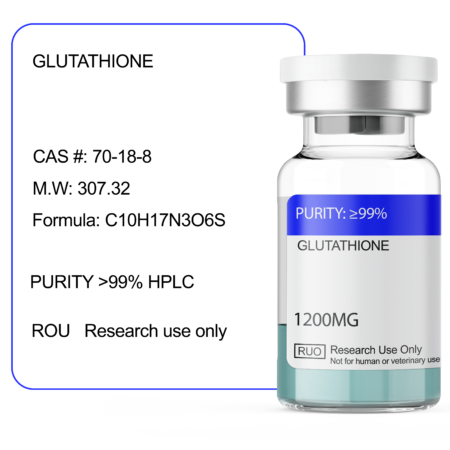
Glutathione 1200MG is a 1200-milligram format of glutathione, a naturally occurring tripeptide composed of glutamate, cysteine, and glycine. Researchers study glutathione in redox biology and oxidative stress models, including pathways involved in cellular detoxification and antioxidant cycling.
In Stock
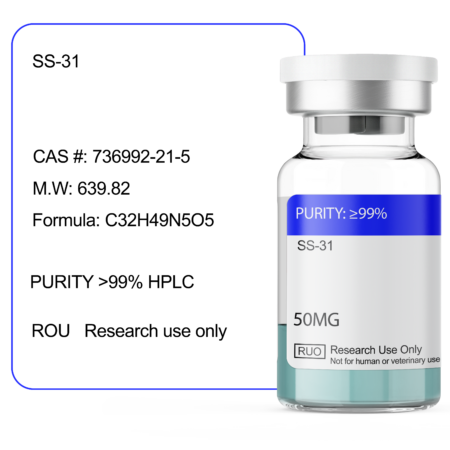
SS-31 50MG is a 50-milligram format of SS-31, a synthetic tetrapeptide also known as elamipretide. Researchers study SS-31 for its potential to localize to mitochondria and for its use in preclinical models examining mitochondrial membrane and bioenergetic pathways.
In Stock
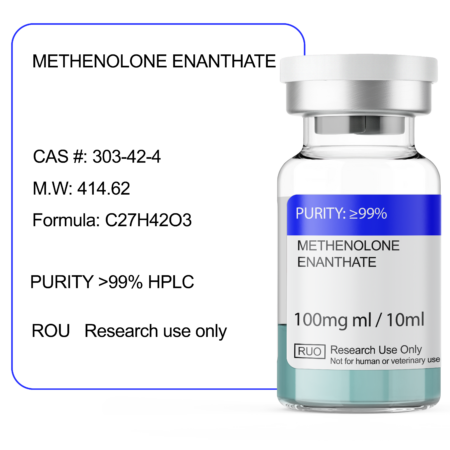
Methenolone Enanthate – 100mg/ml, 10ml is a specified concentration and volume format of methenolone enanthate, an enanthate ester of methenolone, a synthetic anabolic androgenic steroid derivative of dihydrotestosterone. Researchers study methenolone esters in analytical and receptor binding work involving androgen signaling. It is also examined in methods development for steroid profiling and reference comparisons.
In Stock
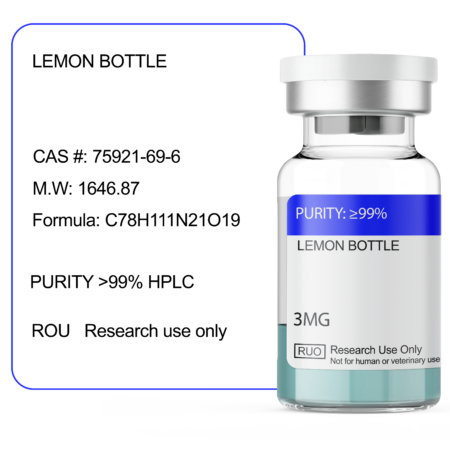
Lemon Bottle 3MG is a 3-milligram format of Lemon Bottle, a named research compound referenced in exploratory lab work where precise mass-based specification is required. Researchers may use materials labeled this way when screening physicochemical properties and analytical profiles across controlled experiments.
In Stock
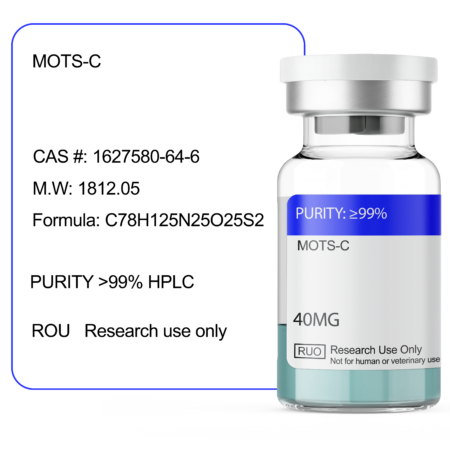
MOTS-C 40MG is a 40-milligram format of MOTS-c, a 16 amino acid mitochondrial derived peptide encoded within mitochondrial 12S rRNA. Researchers study MOTS-c for its potential role in cellular stress responses and metabolic signaling in preclinical models. Interest also includes how this peptide may interact with exercise related pathways and adaptive physiology.
In Stock
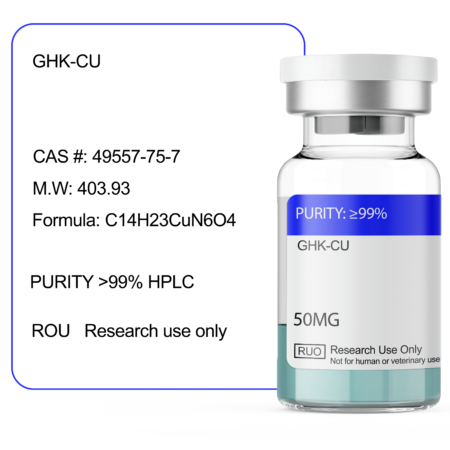
GHK-Cu 50MG is a 50-milligram format of copper peptide GHK-Cu, a coordination complex formed by the tripeptide glycyl-L-histidyl-L-lysine bound to Cu2+. Researchers study GHK-Cu in models involving skin biology, extracellular matrix signaling, and wound related pathways.
In Stock
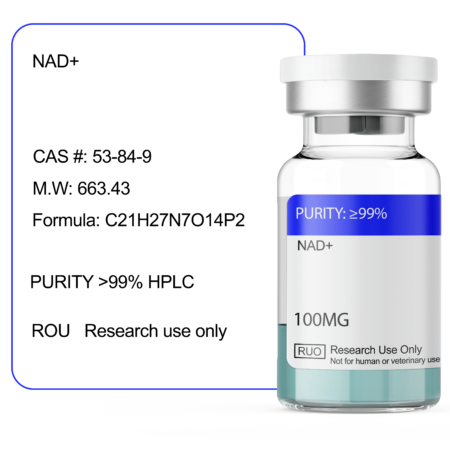
NAD 100MG is a 100-milligram format of nicotinamide adenine dinucleotide (NAD+), a ubiquitous pyridine nucleotide that participates in cellular redox reactions. Researchers study NAD+ in the context of mitochondrial metabolism, oxidative stress models, and enzyme systems such as sirtuins and PARPs.
In Stock
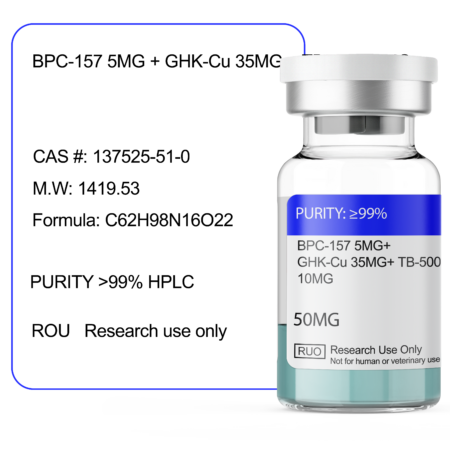
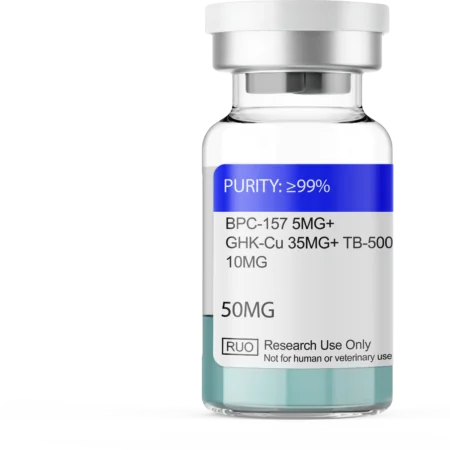
BPC-157 + GHK-GHK-Cu + TB-500 50MG is a 50-milligram combination format bringing together three widely studied research peptides used in preclinical recovery and tissue-model work. Researchers investigate BPC-157, a 15 amino acid peptide fragment, alongside the copper binding GHK tripeptide motif and TB-500, a thymosin beta 4 analogue fragment, in models involving connective tissue, angiogenesis signaling, and cellular migration pathways.
In Stock
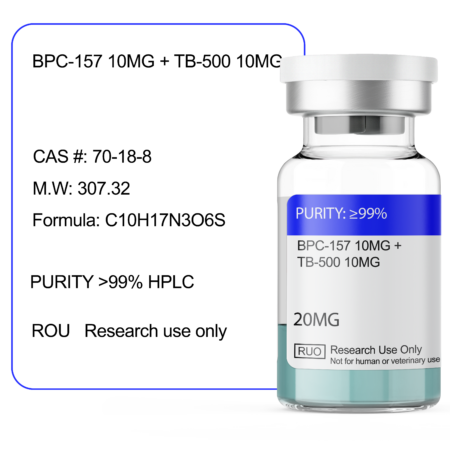
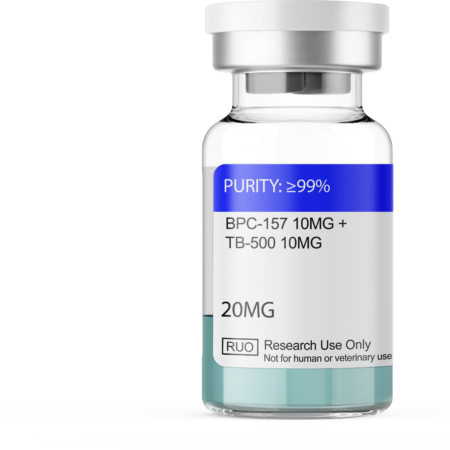
BPC-157 + TB-500 – 20MG combines two synthetic research peptides commonly discussed in preclinical recovery and tissue repair literature. BPC-157 is a 15 amino acid peptide originally derived from a gastric protective protein fragment, while TB-500 is a thymosin beta 4 related peptide fragment studied in models of cell migration and cytoskeletal dynamics. Researchers study this pairing in exploratory work involving connective tissue, angiogenesis signaling, and soft tissue research pathways.
In Stock
