

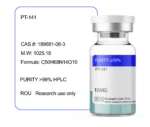
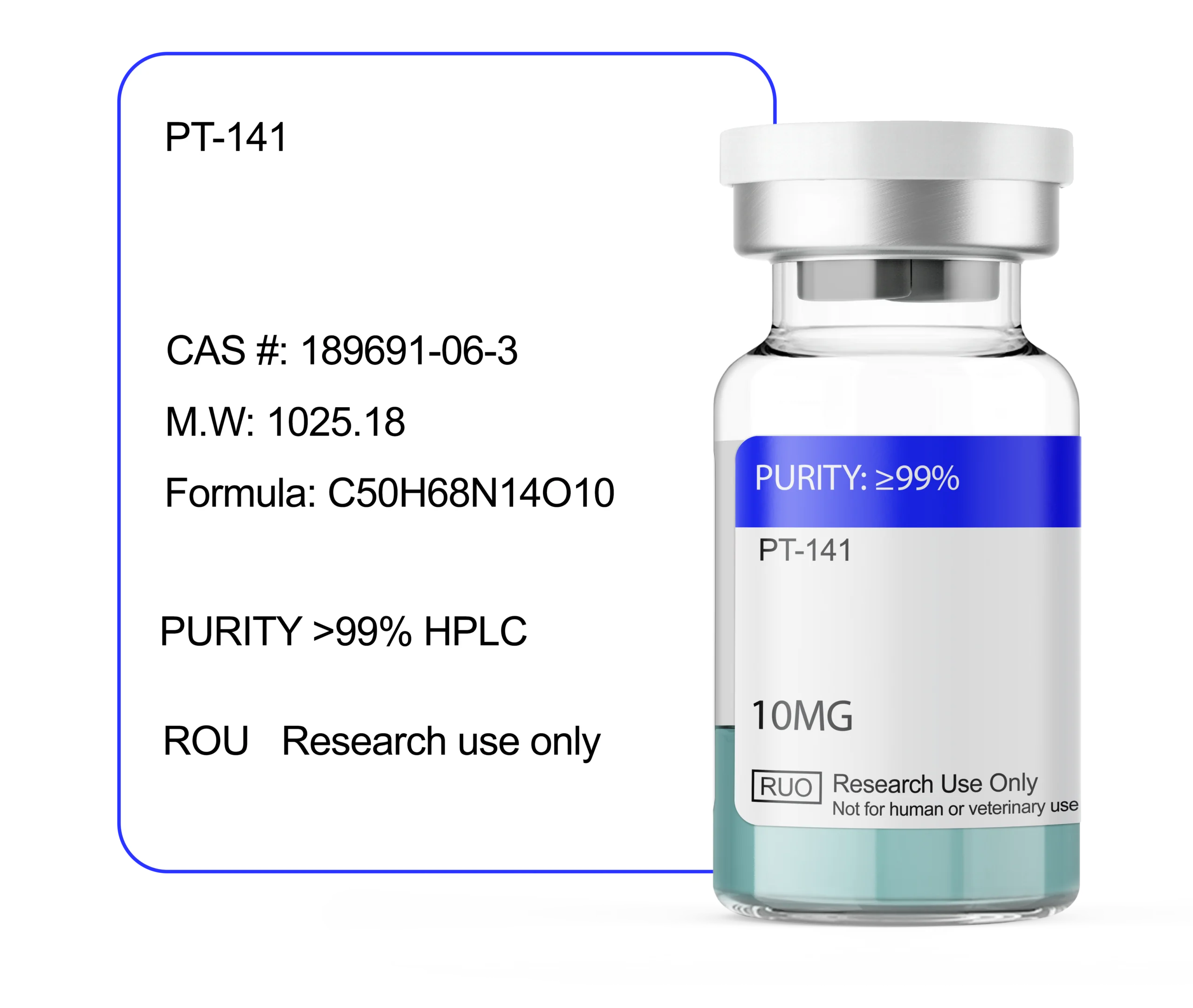
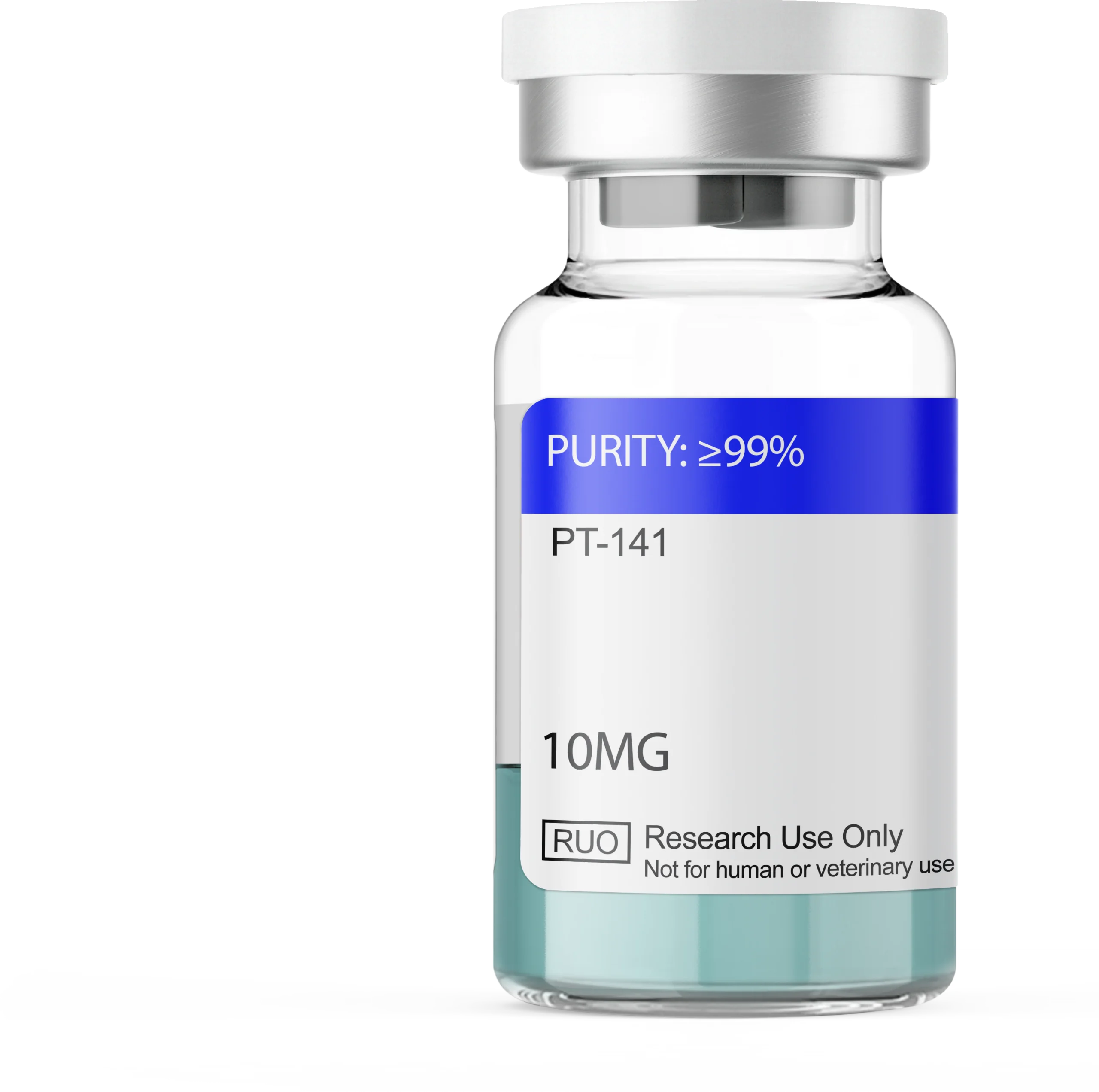
PT-141 10MG
$65.00
PT-141 10MG is a 10-milligram format of bremelanotide (PT-141), a synthetic melanocortin peptide analogue derived from alpha MSH sequence motifs. Researchers study PT-141 in the context of melanocortin receptor signaling and neuroendocrine pathways. It is commonly referenced in preclinical and translational research exploring centrally mediated melanocortin biology.
In Stock
PT-141 10MG is a 10-milligram format of bremelanotide, a synthetic melanocortin peptide analogue associated with the alpha melanocyte stimulating hormone (alpha MSH) family. It is of interest in research involving melanocortin receptor subtypes, ligand binding studies, and downstream signaling models.
Studies have examined PT-141 10MG in preclinical settings focused on centrally mediated melanocortin pathways, including neuroendocrine signaling and behavioral pharmacology frameworks. Researchers may also use bremelanotide as a reference compound when comparing melanocortin ligands, receptor selectivity, and structure activity relationships.
- Specification: 10MG
This product is intended for laboratory and research purposes only. Not for human consumption.
| Weight | 0.2 kg |
|---|---|
| Dimensions | 5 × 5 × 5 cm |
Related Products
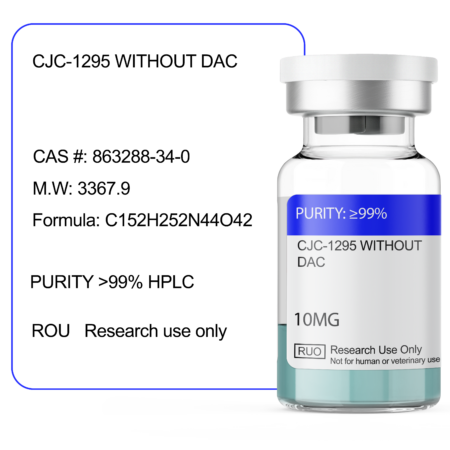
CJC 1295 Without DAC 10MG | GHRH 1 29 Peptide Analogue is a 10 mg format of the short GHRH 1 to 29 analogue commonly referred to as Mod GRF 1 to 29. Researchers study this peptide in laboratory work focused on growth hormone signaling models and pulsatile release dynamics. It is frequently used as a reference compound in peptide endocrinology research.
In Stock
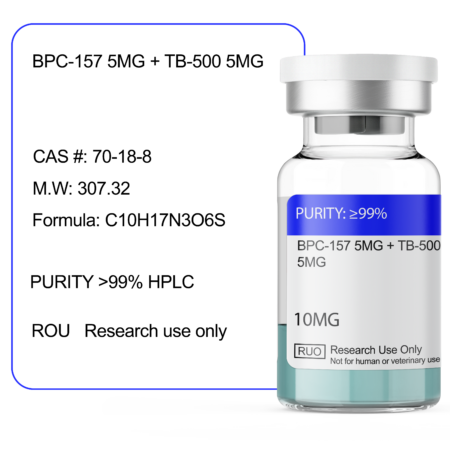
BPC-157 + TB-500 – 10MG combines two widely discussed research peptides in a single 10 mg format. BPC-157 is a synthetic 15 amino acid peptide derived from a gastric protective protein fragment, while TB-500 refers to a thymosin beta 4 fragment commonly studied in peptide research. Researchers investigate this pairing in preclinical work involving connective tissue pathways, angiogenesis related signaling, and models of tissue repair and recovery.
In Stock
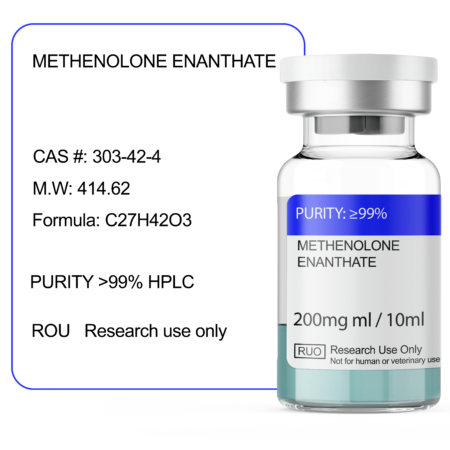
Methenolone Enanthate 200mg/ml 10ml is a 17 beta esterified derivative of methenolone, an anabolic androgenic steroid related to dihydrotestosterone. Researchers have examined methenolone enanthate in studies involving androgen receptor activity, anabolic androgenic structure activity relationships, and ester dependent pharmacokinetics.
In Stock
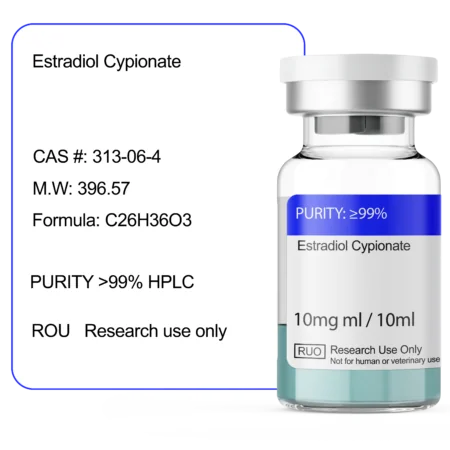
Estradiol Cypionate 10mg/ml, 10ml is a specified concentration and volume format of estradiol cypionate, an esterified form of 17 beta estradiol. Researchers use estradiol esters in laboratory work where sustained release profiles are examined in analytical, receptor binding, and pharmacokinetic models.
In Stock
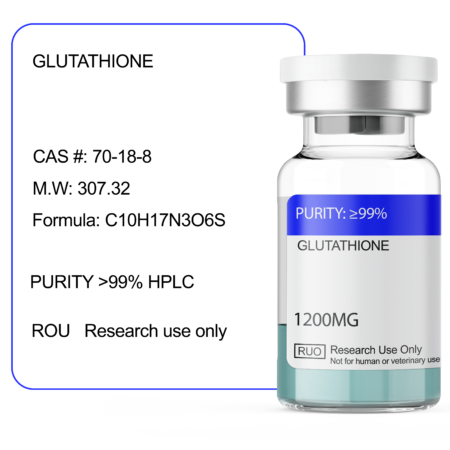
Glutathione 1200MG is a 1200-milligram format of glutathione, a naturally occurring tripeptide composed of glutamate, cysteine, and glycine. Researchers study glutathione in redox biology and oxidative stress models, including pathways involved in cellular detoxification and antioxidant cycling.
In Stock
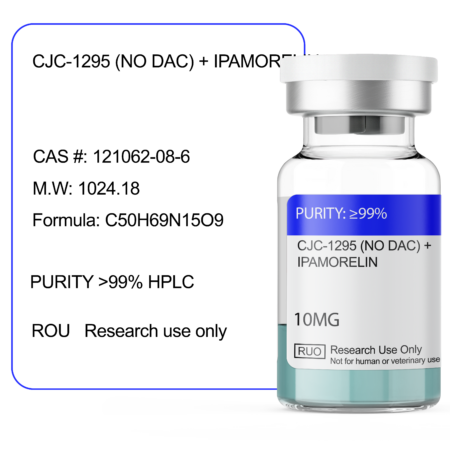
CJC-1295 No DAC + Ipamorelin 10MG is a combined 10MG format pairing a CJC 1295 (no DAC) GHRH analogue with ipamorelin, a ghrelin receptor agonist peptide. This blend is commonly used in research that examines pulsatile growth hormone signaling pathways and IGF 1 related biomarkers. Studies have explored these peptides in endocrine and metabolism focused experimental models.
In Stock
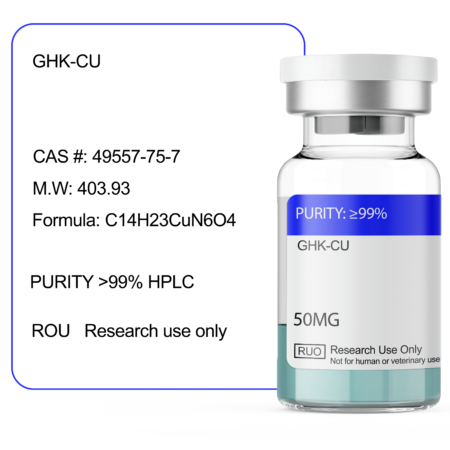
GHK-Cu 50MG is a 50-milligram format of copper peptide GHK-Cu, a coordination complex formed by the tripeptide glycyl-L-histidyl-L-lysine bound to Cu2+. Researchers study GHK-Cu in models involving skin biology, extracellular matrix signaling, and wound related pathways.
In Stock
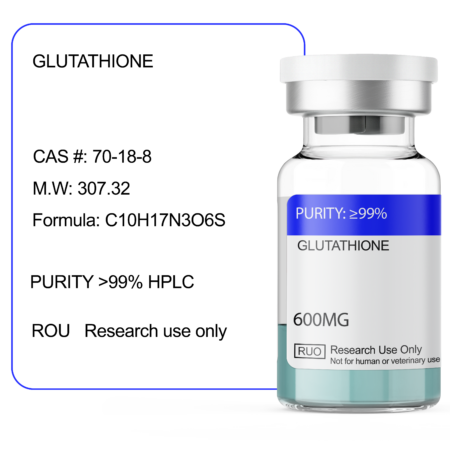
Glutathione – 600MG is a 600-milligram format of glutathione, a naturally occurring tripeptide made from glutamate, cysteine, and glycine. Researchers study glutathione in redox biology and oxidative stress models, including work focused on cellular antioxidant systems. It is also used in laboratory assays that examine thiol status and detoxification related pathways.
In Stock
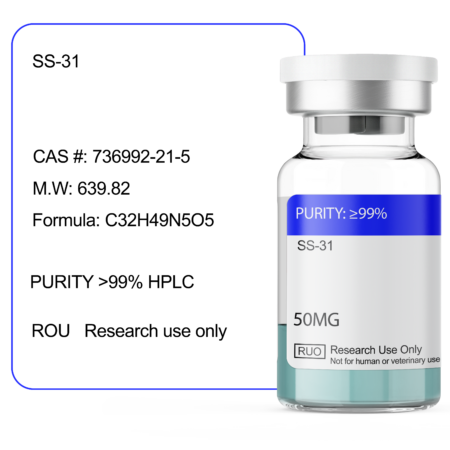
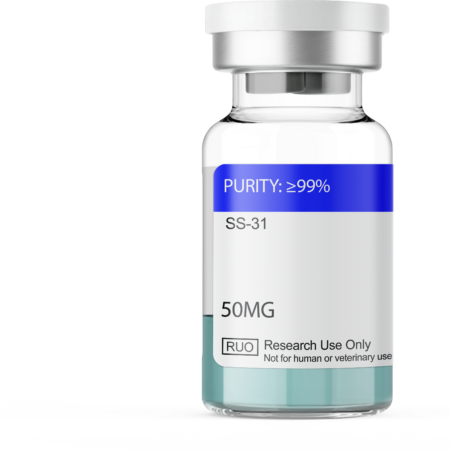
SS-31 50MG is a 50-milligram format of SS-31, a synthetic tetrapeptide also known as elamipretide. Researchers study SS-31 for its potential to localize to mitochondria and for its use in preclinical models examining mitochondrial membrane and bioenergetic pathways.
In Stock
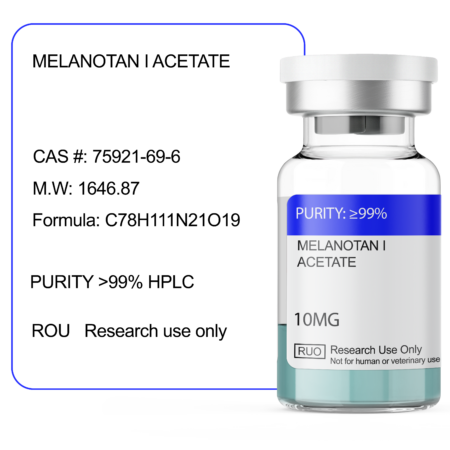
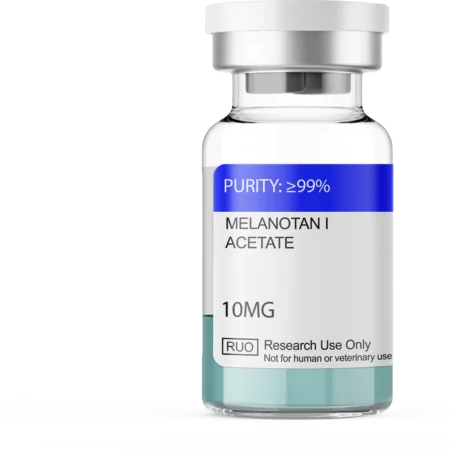
MT1 10Mg 10MG refers to a 10-milligram format of MT1, a melanocortin research peptide commonly associated with melanotropin analog research. Researchers study MT1 in the context of melanocortin receptor signaling, pigmentation pathways, and related neuroendocrine models.
In Stock
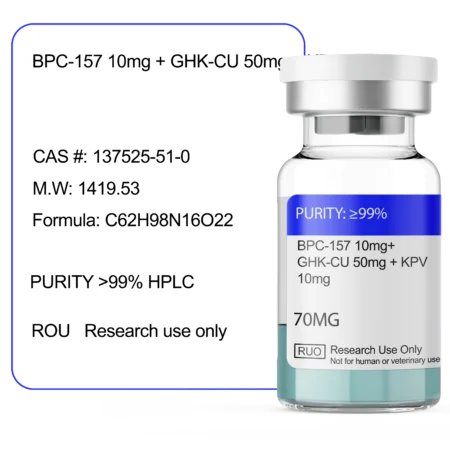
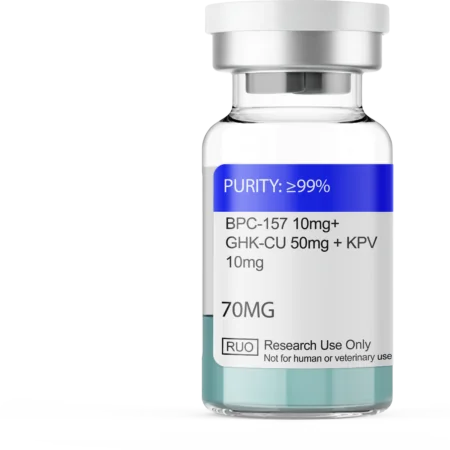
BPC-157 + GHK-GHK-Cu + KPV 70MG is a 70-milligram combination format featuring BPC-157, a synthetic 15 amino acid peptide, alongside GHK-GHK-Cu, a copper bound GHK repeat peptide complex, and KPV, a tripeptide fragment of alpha MSH. This blend is of interest in peptide research that examines wound environment signaling, extracellular matrix related pathways, and peptide copper interactions. Studies have investigated each component in preclinical models involving connective tissue, skin biology, and inflammatory signaling.
In Stock
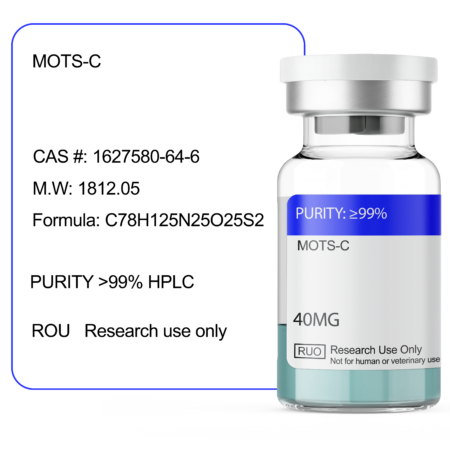
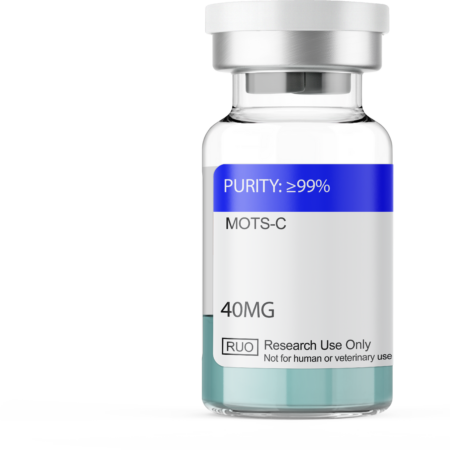
MOTS-C 40MG is a 40-milligram format of MOTS-c, a 16 amino acid mitochondrial derived peptide encoded within mitochondrial 12S rRNA. Researchers study MOTS-c for its potential role in cellular stress responses and metabolic signaling in preclinical models. Interest also includes how this peptide may interact with exercise related pathways and adaptive physiology.
In Stock
